
Written By
Jason Schmidt
Published On
April 7, 2026
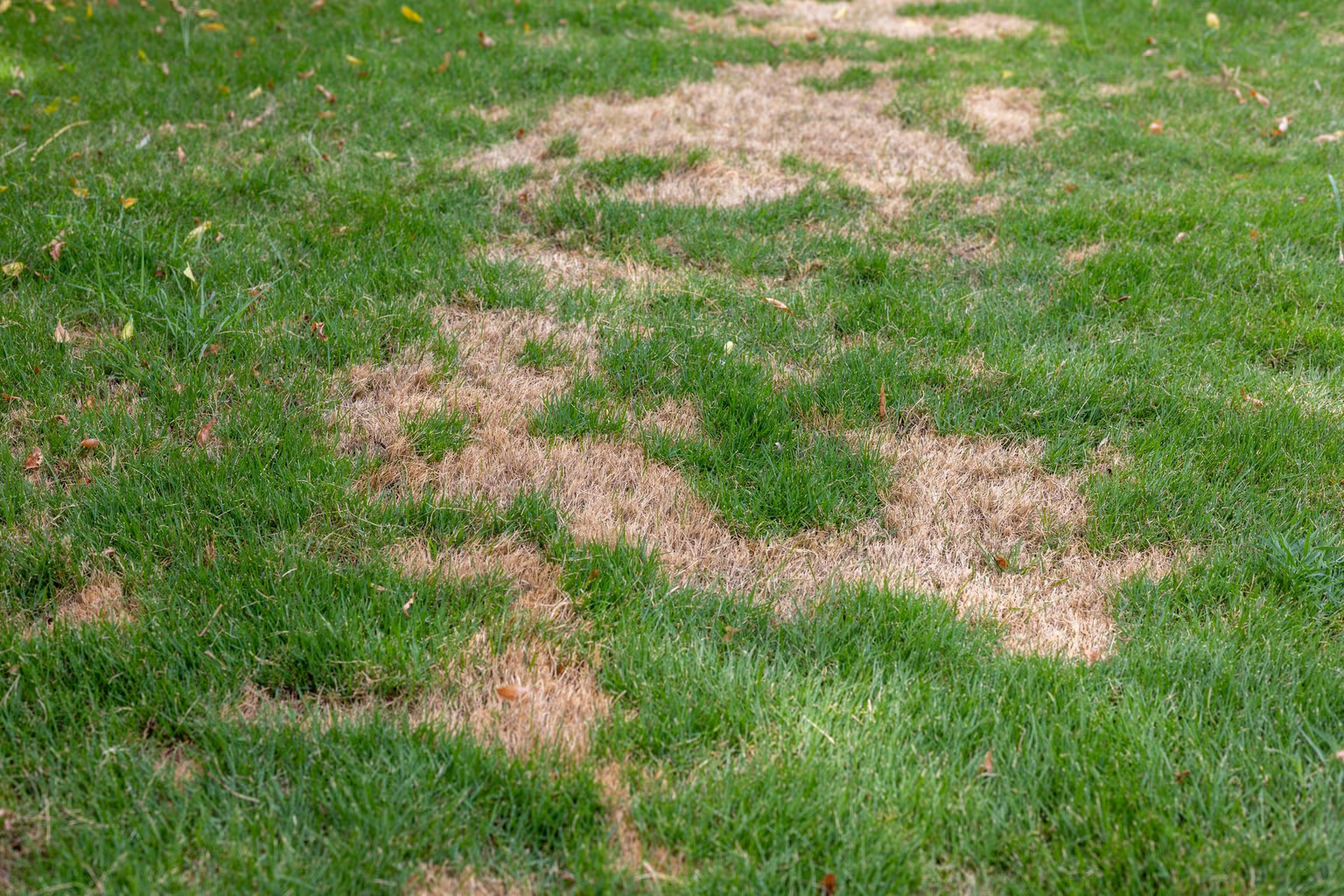
Spring & Summer tend to be much more enjoyable when Mother Nature gives us plenty of sunshine. Rain and thunderstorms are fun to watch, but they prevent us from doing a lot of things we love.
Plants are pickier; they need both. Most of our mountain region will be under severe drought stress heading into the growing season. The rest of the country can experience elongated periods of drought during the summer months. Homeowners will need to lean on lawn care professionals while also brushing up on their best cultural practices.
In turfgrass plants, drought primarily causes plant water stress, which disrupts photosynthesis, nutrient transport, and cellular functions. As soil moisture declines, turfgrass reduces metabolic activity to conserve water. Visible symptoms include leaf rolling, wilting, and a color shift from vibrant green to a bluish-gray or brown hue. Turfgrass growth slows or stops entirely, and in severe drought conditions, many cool-season grasses may enter dormancy or stay dormant longer, a survival mechanism that allows the plant to conserve resources until favorable moisture conditions return.
Drought also affects root development and soil interactions. Reduced soil moisture decreases nutrient solubility and limits root absorption of essential elements such as nitrogen and potassium. In compacted or shallow soils, the impact of drought can be even more severe because roots cannot extend deeply to access residual moisture. Additionally, drought-stressed turfgrass becomes more susceptible to damage from traffic, pests, and diseases due to weakened plant defenses. We will likely see these areas struggle to bounce back from winter.
Effective management during drought focuses on improving water-use efficiency and reducing plant stress. Deep and infrequent irrigation encourages deeper root growth and improves drought tolerance in both turfgrass and landscape plants. Adjusting mowing height in turfgrass can reduce evapotranspiration by increasing canopy shading of the soil surface. Additionally, applying organic mulch around landscape plants helps conserve soil moisture, regulate soil temperature, and reduce evaporation.
Plant selection is another important management strategy. Incorporating drought-tolerant turfgrass species and landscape plants can significantly improve landscape resilience under limited water availability. Soil management practices such as aeration and organic matter incorporation can also enhance soil structure and water-holding capacity.
Overall, drought conditions impose significant physiological stress on turfgrass and landscape plants. Through adaptive management strategies—including efficient irrigation, cultural practices, and appropriate plant selection—land managers can mitigate drought impacts and promote long-term plant health and sustainability. Don’t forget the important role these plants play in oxygen production, carbon sequestration, and water filtration. They’re worth saving!
Written By
Jason Schmidt
Published On
April 7, 2026

For the people of Boston, April means Celtic playoff basketball, the Red Sox’s home opener, and the start of their neighborhood’s competition (official or otherwise) for best lawn. And now that Weed M...

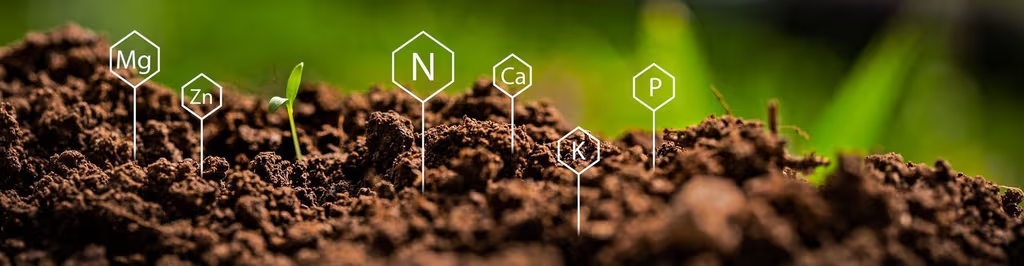
You can’t grow good grass in bad soil. It’s that simple. It doesn’t matter how much time, money, or fertilizer you throw at it.
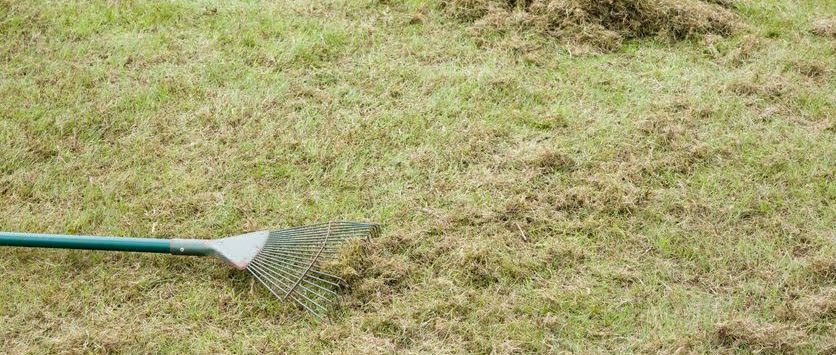
Did you know that 76% of homeowners feel competitive about their lawns? But only 23% of those people feel like they’re winning.

