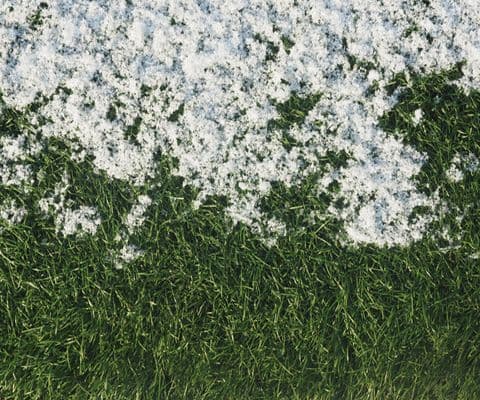
Winter damage refers to the changes that occur in grasses as a result of harsh winter weather conditions, including extreme cold, snow mold, ice formation, desiccation, and other environmental factors. Winter damage can lead to thinning turf, brown patches, and an overall decline in the health and appearance of the lawn. It can also make the grass more susceptible to disease and insect damage.

Here are a few characteristics of Winter Damage:
To minimize winter damage, you can take some preventative winterization steps in the fall. However, in some cases, the damaged areas will need to be renovated with suitable varieties of grass.
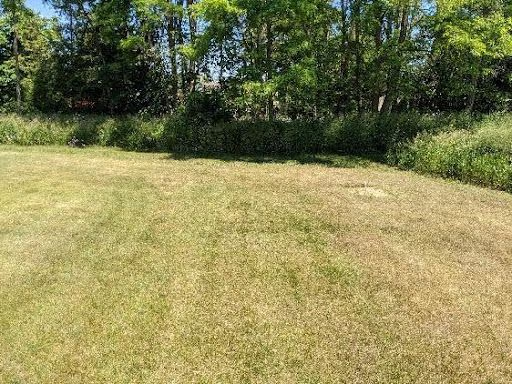
Drought stress refers to the negative effects on a lawn when there is not enough water available for the grass to properly grow and thrive. This can cause the grass to turn brown and dormant, while al...
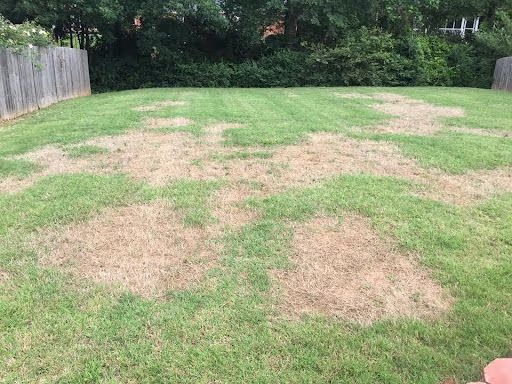
Take-All Patch, also called “Root Rot,” is a common fungal disease that affects the roots of grass plants, particularly in golf courses and lawns. It attacks lawns that are already stressed, weakened,...
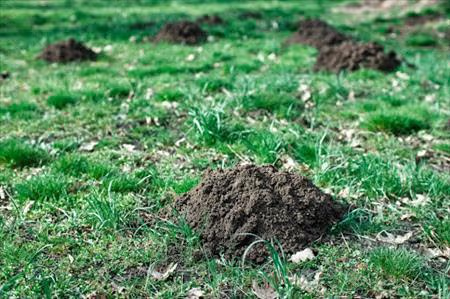
The adult mole is a small, burrowing mammal, commonly found in lawns and gardens. It has dark gray or brown velvety fur and a cylindrical body that is 15 to 20 cm (5 to 8 inches) long. It has small ey...

