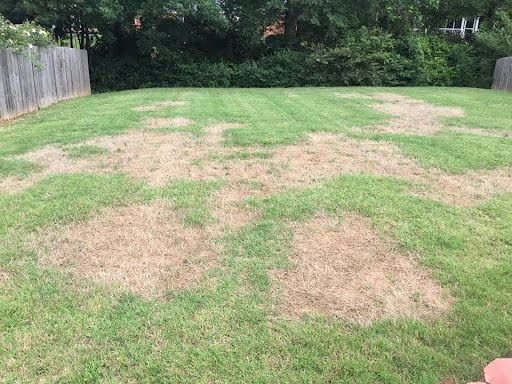
Take-All Patch, also called “Root Rot,” is a common fungal disease that affects the roots of grass plants, particularly in golf courses and lawns. It attacks lawns that are already stressed, weakened, and susceptible to disease.
Take-All Patch disease causes yellowing and wilting of the grass plants, leading to the formation of patchy, bare areas in the lawn. Symptoms often appear in spring or early summer, when the turfgrass emerges from winter dormancy. However, the disease can appear at any time during the growing season when the grass is stressed by heat, drought, shade, alkaline soil, or high-sodium water.
Take-All Patch can be a serious problem for warm-season grasses such as Zoysiagrass, Centipedegrass, and Bermudagrass. It can also be a problem in St. Augustine grass throughout the southern United States, where it may be confused with another fungal disease called Brown Patch.
The fungus that causes Take-All Patch can produce spores, but it spreads mainly through the roots and stolons. It is not usually transmitted by mowing equipment or foot traffic. Instead, it is more likely to be spread when infected grass, thatch, or soil is moved from one location to another.
Take-All Patch is very difficult to control, as it thrives in warm and humid environments, especially during periods of extended rainfall or high humidity. In most cases, the spread of the disease will be reduced by changes in weather, but you can also adjust some cultural practices to improve the health of the lawn and limit the spread. However, depending on the size of the infestation and the scope of the damage, other forms of control may be necessary.
A thick, healthy, well-maintained lawn is the best line of defence. Here’s how you can adjust your beneficial cultural practices to reduce the spread of Take-All Patch:
Recommended Mowing Height
Your local Weed Man professional may be able to offer other solutions and recommend the best form of treatment that is available to improve the conditions of your lawn.
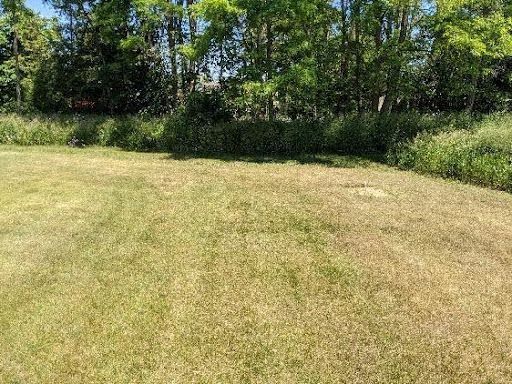
Drought stress refers to the negative effects on a lawn when there is not enough water available for the grass to properly grow and thrive. This can cause the grass to turn brown and dormant, while al...
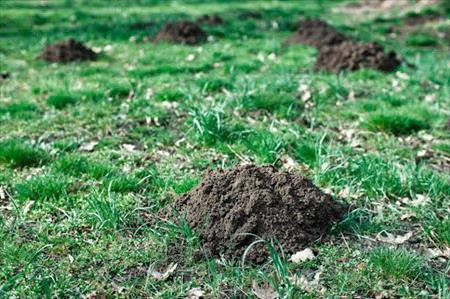
The adult mole is a small, burrowing mammal, commonly found in lawns and gardens. It has dark gray or brown velvety fur and a cylindrical body that is 15 to 20 cm (5 to 8 inches) long. It has small ey...
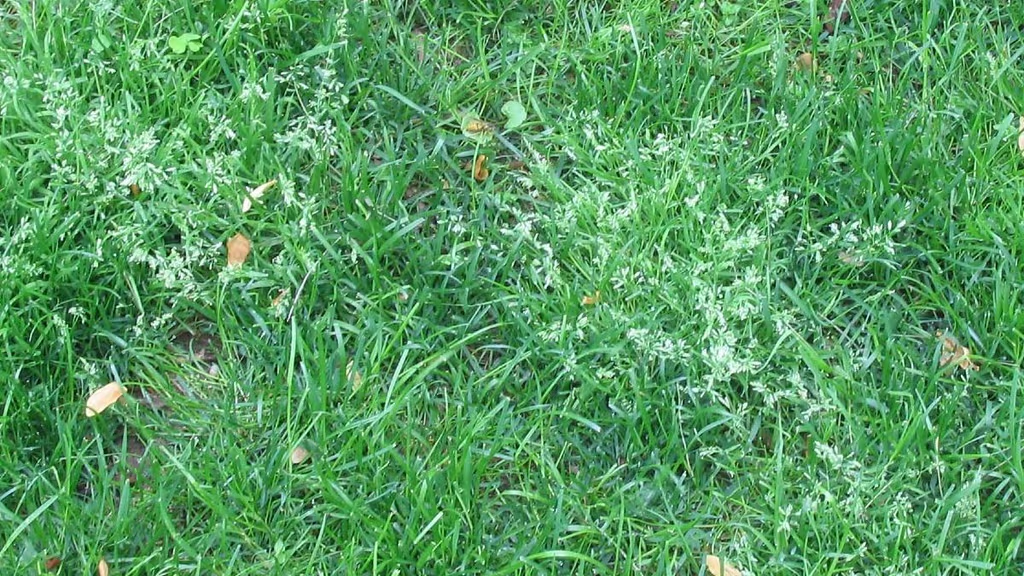
Annual Bluegrass, or Poa Annua, is one of the most common varieties of undesirable weed grass that homeowners encounter on their lawns. In fact, almost every lawn will have some Annual Bluegrass. It c...

