Lawn Disease Can Ruin Your Grass Quickly (and Maybe Even Permanently!)

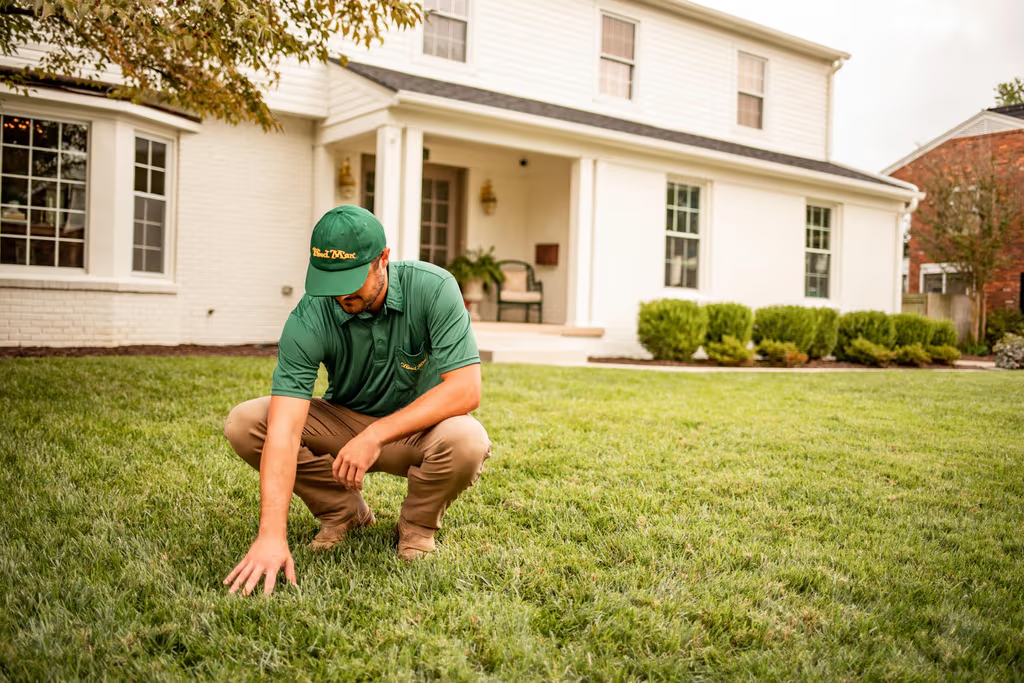
Call the Experienced Professionals at Weed Man

Icon

Signs of Disease

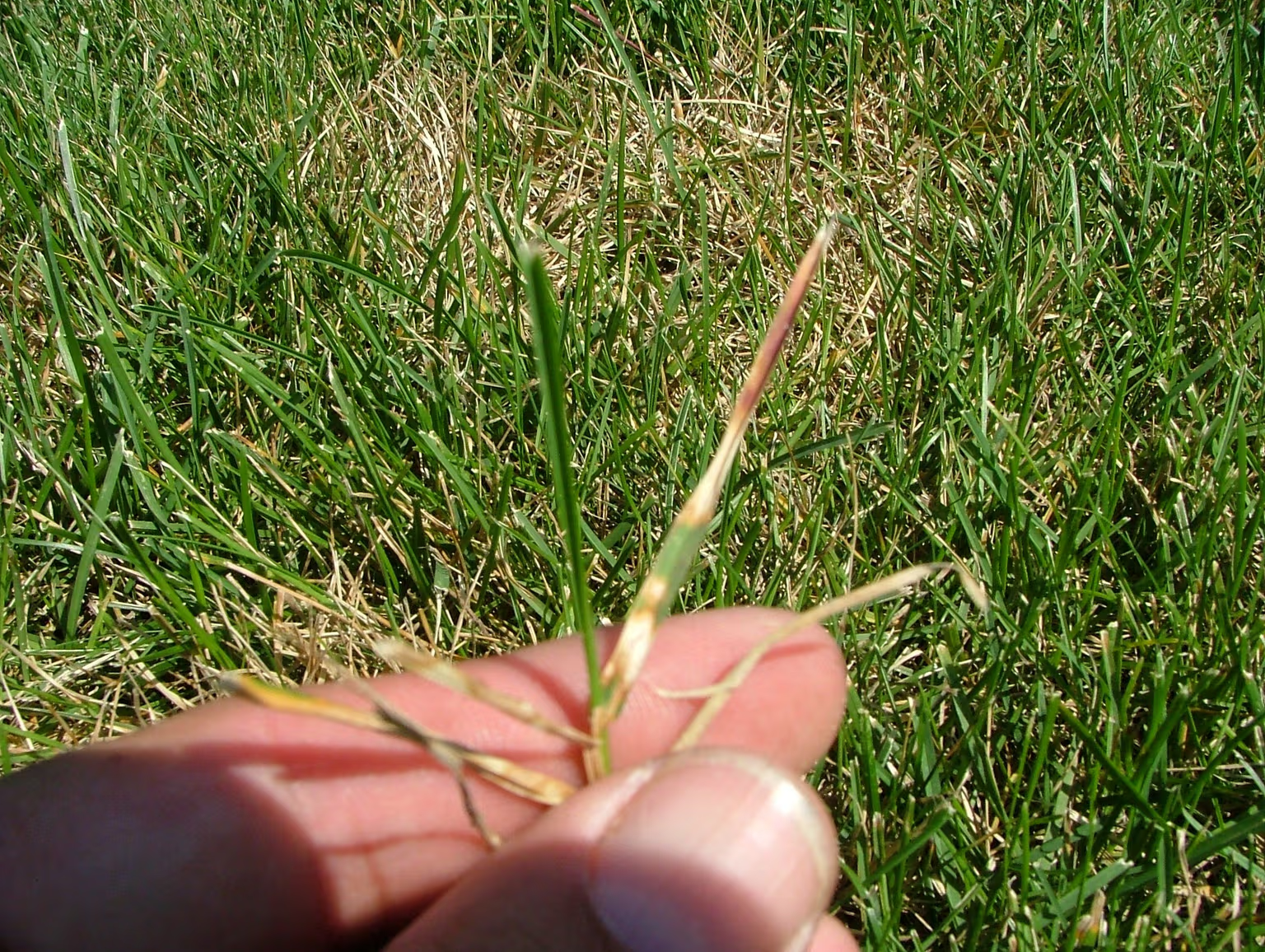
Is your lawn looking patchy, discoloured, or off in some way? When lawn disease strikes, your lawn can undergo extensive damage in a short period of time, so it’s important to act quickly to identify the disease and control it before it spreads across your property.

Causes

Diseases often originate from stressful weather conditions or incorrect cultural practices (such as excessive watering or improper mowing). Fungal diseases thrive in warm, moist environments.

Types

Most lawn diseases, including brown patch, dollar spot, and leaf blight, are fungal diseases, meaning the symptoms are caused by fungi in the soil. Bacteria and other microscopic organisms can also be the culprit.

Expert Diagnosis

With so many varying symptoms and possible causes of damage (including the potential of insect damage), it takes an expert eye to correctly diagnose the issue and develop a custom treatment plan.

Treating Lawn Disease

Early professional treatment is crucial to effective control, allowing your lawn to bounce back to health. Your trained and certified technician will also advise you on watering and mowing practices to prevent the spread and avoid future problems.

Lawn Recovery

Depending on the size and the scope of the disease, you may need to repair heavily damaged areas with sod or the appropriate grass seed. Act fast to avoid excessive damage.

Image
What are the Most Common Lawn Diseases?

Some lawn diseases are more common than others on certain types of grass or in certain geographic areas.

However, as lawn fungus treatment experts, the most common ones we see include:

  • Brown patch
  • Dollar spot
  • Fairy ring
  • Leaf blight
  • Leaf spot
  • Melting out
  • Necrotic ring spot
  • Powdery mildew
  • Pythium
  • Red thread
  • Rust disease
  • Slime or snow mould
  • Summer or yellow patch

Each disease needs a customized plan to rid it from your yard and keep it away for good.


How Do I Treat Lawn Fungus?

A thick, healthy, well-maintained lawn is the best line of defense. Here’s how you can adjust your beneficial cultural practices to reduce the spread of lawn disease:

  • Avoid watering when the disease is active.
  • Avoid Mowing when the disease is active. If you do have to mow, make sure your mower blade is razor sharp, so that the blade does not fray the tips of the grass, spreading the disease.
  • Regular applications of Weed Man’s specially formulated, slow-release granular fertilizer will help provide your lawn with adequate nutrients.
  • Aerating your lawn can improve soil drainage and help reduce the likelihood of lawn diseases.
What Lawn Disease Causes Yellow Grass?

Yellow grass is one of the most common signs of poor lawn health. It could be a sign you have pests like grubs and chinch bugs. It could also be a sign of simple drought damage. And, of course, it could signal lawn disease.

Can Lawn Disease Go Away on Its Own?

Some minor lawn issues may fade with better weather, but most fungal diseases will spread and worsen without professional treatment. The safest option is to have your lawn diagnosed and treated quickly.

How Do I Prevent Lawn Diseases?

The best prevention is proper lawn care: mowing at the right height, watering early in the morning, and fertilizing regularly. A thick, healthy lawn is naturally more resistant to disease.

If you’re not sure what is causing brown or yellow patches on your lawn, start by finding the Weed Man in your area.


Fertilization Icon

Fertilization

Achieve golf course quality results with Weed Man's premium, proprietary, slow-release granular fertilizer, specially blended with your lawn's nutrition in mind.

Weed Control Icon

Weed Control

Eliminate unsightly and aggressive weeds with top-of-the-line products, specially tailored to the needs of your lawn and safely applied in the hands of our trained professionals.

Aeration Icon

Aeration

Aeration promotes good root health by removing small cores of soil to reduce your lawn’s thatch layer, allowing water, air, and nutrients to reach the areas that need it most.

Bed Control Icon

Bed Control

Manage unwanted weeds and grasses popping up in the landscaped areas of your property, including gardens, shrub beds, and mulched areas.

Crabgrass Control Icon

Crabgrass Control

Manage troublesome, difficult-to-identify crabgrass—before it has a chance to germinate and after it pops up in your lawn—with top-of-the-line products, safely applied in the hands of our trained professionals.

Crack and Crevice Control Icon

Crack and Crevice Control

Manage unwanted weeds and grasses popping up in areas of your property, such as your driveway, patio, sidewalk, or walkway.

Disease Control Icon

Disease Control

Our trained and certified technicians will diagnose the presence of lawn diseases and implement a custom treatment plan to control disease-related damage in your lawn.

Grub Control Icon

Grub Control

Defend your lawn from grub damage. Our trained and certified technicians will identify the infestation and recommend the best solution for your lawn.

Soil pH Control Icon

Soil pH Control

Our trained and certified technicians will assess and restore the soil to an acceptable pH balance, allowing your lawn to properly absorb all the water and nutrients it needs.

Insect Control Icon

Insect Control

Defend your lawn from insect damage. Our trained and certified technicians will identify, prevent, and control an infestation of turf-damaging insects.

Mosquito Control Icon

Mosquito Control

Reclaim your outdoor space from annoying, biting mosquitoes. Get custom, targeted control and regular service from a trained professional, effectively reducing the mosquito population in your yard.

Overseeding Icon

Overseeding

Overseeding strengthens your lawn and replenishes thin or bare areas with high quality grass seed.