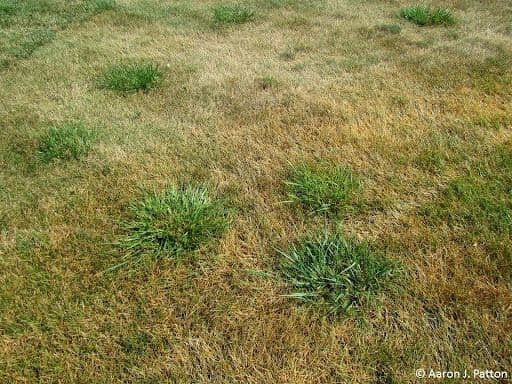
Tall Fescue is a perennial cool-season grass that is identified by its tall, dense blades, which have a deep green colour and a rough texture. It’s a hardy grass that is tolerant of drought, heat, and foot traffic, making it a popular choice for parks and sports fields.
Tall Fescue is also known for its ability to grow quickly and establish a strong root system, which helps it persist in areas with low soil fertility and variable weather conditions. Because it does not blend well with other cool-season grass species, it is regarded as an undesirable and grassy weed.
Tall Fescue can be problematic in residential lawns because it is highly invasive and difficult to control and remove. It has long, deep roots that make it difficult to pull out, and will often regrow from the roots or from seeds that have fallen into the soil. It can spread quickly, forming dense clumps that outcompete other grasses, making it hard for the rest of the lawn to thrive.
Tall Fescue is often confused with Crabgrass, but it’s easily distinguished by the fact Tall Fescue is a perennial and will be visible year-round, whereas Crabgrass is an annual and generally won’t germinate until early summer.
Tall Fescue Lawn
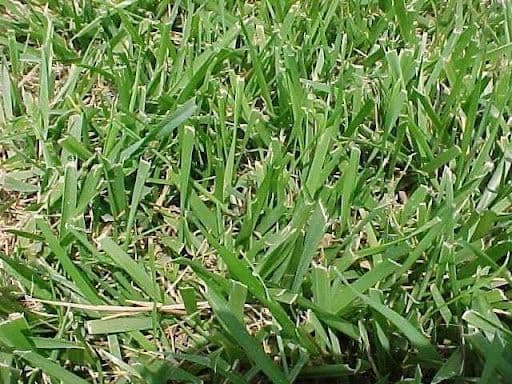
Crabgrass
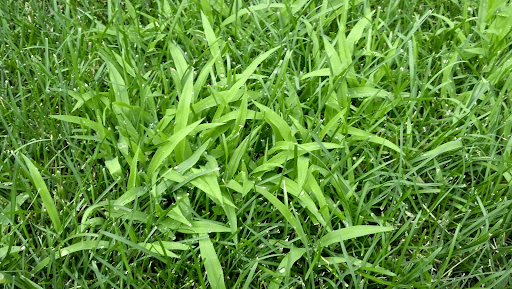
An effective way to control small infestations of Tall Fescue is by pulling individual plants by hand and repairing these areas with desirable grass seed varieties or sod. If the infestation is larger, other forms of control may be necessary.
A thick, healthy, well-maintained lawn is always the best line of defence. This can be achieved through beneficial cultural practices, which include:
Your local Weed Man professional will be able to offer other solutions and recommend the best form of treatment that is suitable to improve the conditions of your lawn.
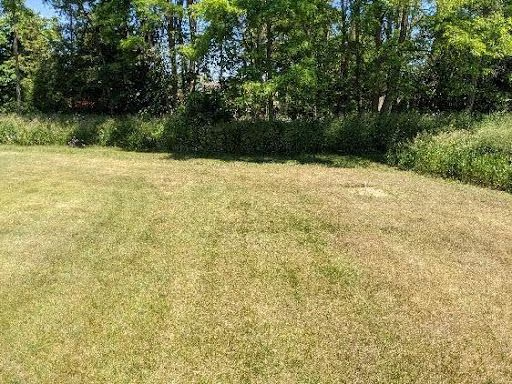
Drought stress refers to the negative effects on a lawn when there is not enough water available for the grass to properly grow and thrive. This can cause the grass to turn brown and dormant, while al...
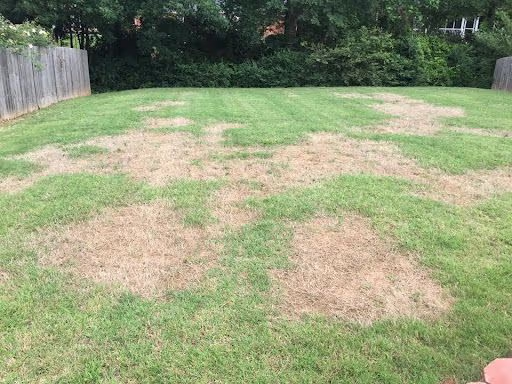
Take-All Patch, also called “Root Rot,” is a common fungal disease that affects the roots of grass plants, particularly in golf courses and lawns. It attacks lawns that are already stressed, weakened,...
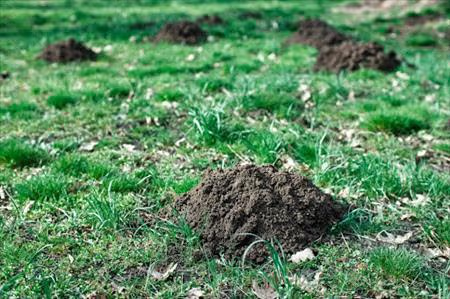
The adult mole is a small, burrowing mammal, commonly found in lawns and gardens. It has dark gray or brown velvety fur and a cylindrical body that is 15 to 20 cm (5 to 8 inches) long. It has small ey...

