LAWN DISEASES

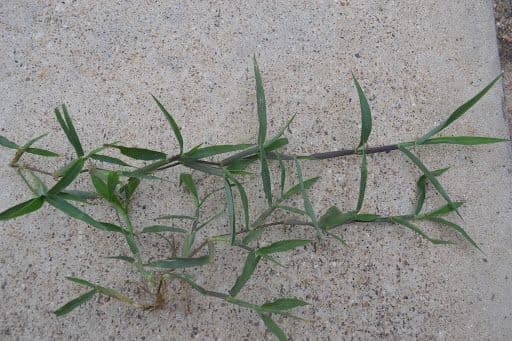
COMMON BERMUDAGRASS

COMMON BERMUDAGRASS - Resource Image

Bermudagrass is a warm-season grass, commonly used in residential lawns in areas with hot and dry climates. It’s a fast-growing, dense grass that adapts to a variety of soil types and thrives in high temperatures and sunlight.

What Is Common Bermudagrass?

It has a vibrant green color during the active growing season and may turn brown or dormant during colder months or under drought stress. In some regions, it is considered an invasive weed when it escapes cultivated areas and starts growing in natural habitats.

It's important to consider your specific needs and the conditions of your lawn before deciding whether Common Bermudagrass is the right choice for you.

What are the Pros and Cons of Common Bermudagrass?

Pros:

  • Known for its excellent heat and drought tolerance. It can survive and remain green even during periods of limited rainfall or water restrictions.
  • Has a vigorous growth rate and can quickly recover from damage, such as foot traffic or mowing. It fills in bare spots and repairs itself relatively quickly.
  • It can withstand heavy use and traffic, which makes it ideal for lawns that receive a lot of activity, such as play areas or sports fields.

Cons:

  • It has a very aggressive spreading habit and will spread via underground stems (rhizomes) and above-ground runners (stolons), which can invade nearby garden beds, flower borders, and other areas where you might not want it to grow.
  • It performs best in full sun and has poor shade tolerance. It struggles to thrive in areas with significant shade, resulting in thinning or patchy growth.
  • Bermudagrass goes dormant and turns brown during winter months in cooler climates. It loses its vibrant green color and may not look as visually appealing during this period.

What makes Hybrid Bermudagrass more desirable than Common Bermudagrass?

Hybrid Bermudagrass has become a more desirable variety for home lawns and is favored for its superior qualities such as improved color, texture, density, disease resistance, and drought tolerance. It is typically established through sodding or sprigging methods, and it requires proper maintenance practices like regular mowing, fertilization, irrigation, and aeration to keep it healthy and attractive. It thrives in warm climates and goes dormant during cooler months.

A thick, healthy, well-maintained lawn is always the best line of defense. This can be achieved through beneficial cultural practices which include:

  • Core Aeration: Aerating your lawn can improve soil drainage and help reduce the likelihood of lawn diseases. This will also alleviate soil compaction and allow water and nutrients to penetrate deeper into the soil.
  • Fertilize Regularly: Regular applications of Weed Man’s specially formulated, slow-release granular fertilizer will help provide your lawn with adequate nutrients. These applications are timed specifically to avoid over fertilizing the lawn.
  • Watering: Under normal circumstances, you should be watering your lawn a few times per week for 30-45 minutes in each area. During hot and dry periods, most lawns should be watered as much as required to maintain its desired green color. Always water in the early morning so the turf has time to dry by nightfall.
  • Mowing: Maintain a regular mowing schedule with a razor sharp blade. Never remove more than a ⅓ of the grass blade at each mowing.

Recommended Mowing Height for Bermudagrass Lawns

  • Common Bermudagrass - ¾ to 1¼ inches
  • Hybrid Bermudagrass - ½ to 1½ inches

Your local Weed Man professional will be able to offer other solutions and recommend the best form of treatment that is suitable to improve the conditions of your lawn.
More to Discover

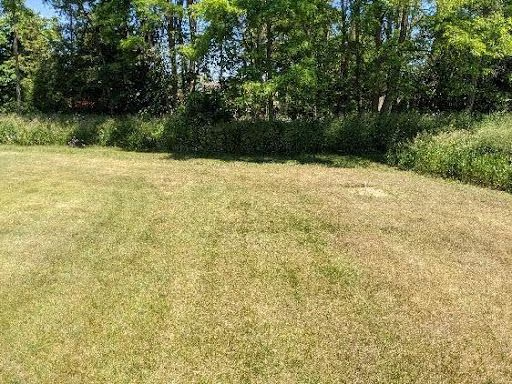
WHAT DOES DROUGHT STRESS ON MY LAWN REALLY LOOK LIKE?

WHAT DOES DROUGHT STRESS ON MY LAWN REALLY LOOK LIKE?

Drought stress refers to the negative effects on a lawn when there is not enough water available for the grass to properly grow and thrive. This can cause the grass to turn brown and dormant, while al...
TAKE-ALL PATCH

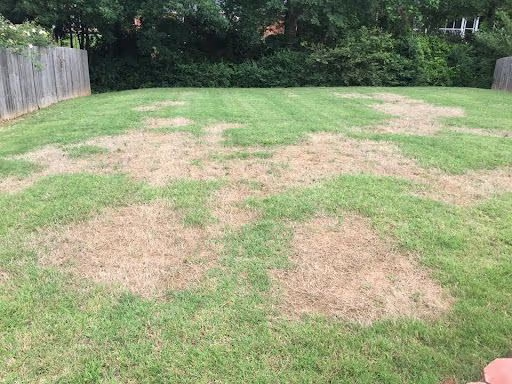
TAKE-ALL PATCH

Take-All Patch, also called “Root Rot,” is a common fungal disease that affects the roots of grass plants, particularly in golf courses and lawns. It attacks lawns that are already stressed, weakened,...
MOLES

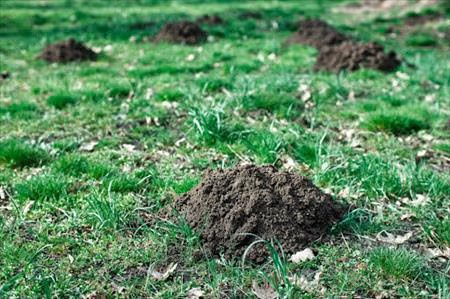
MOLES

The adult mole is a small, burrowing mammal, commonly found in lawns and gardens. It has dark gray or brown velvety fur and a cylindrical body that is 15 to 20 cm (5 to 8 inches) long. It has small ey...