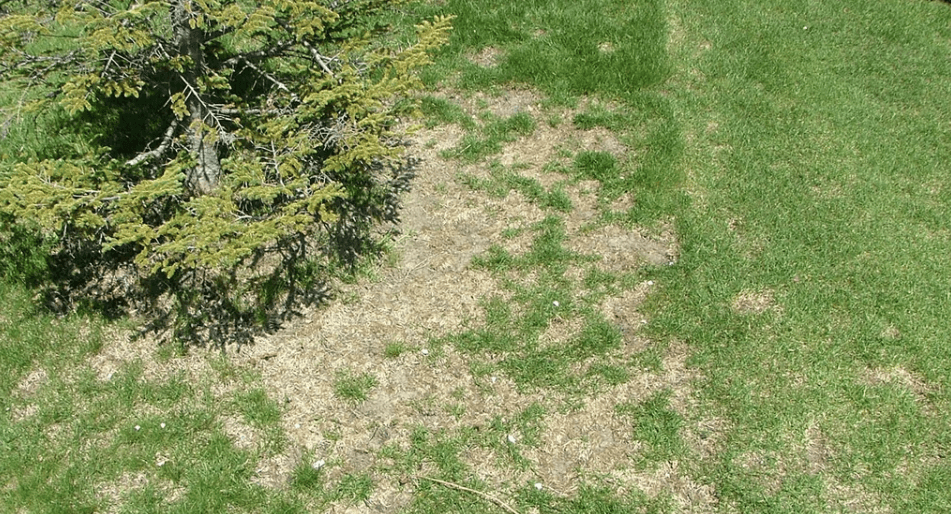
If your lawn has dry or yellow patches during the summer months, even though you’ve been watering regularly, there’s a chance you may have Chinch Bugs.
These tiny insects live in the thatch layer above the soil and feed on blades of grass. They are most often found on south-facing slopes and in areas that receive full sun, and they tend to cause the most damage during July and August.
When they are young, Chinch Bugs have reddish-brown bodies, and as they mature, their color changes to black and white. They feed on living grass plants by means of a piercing mouthpart called a stylet (similar to mosquitoes). The insect inserts its stylet into the leaves, stems, and crowns to suck the juices out of the plant.
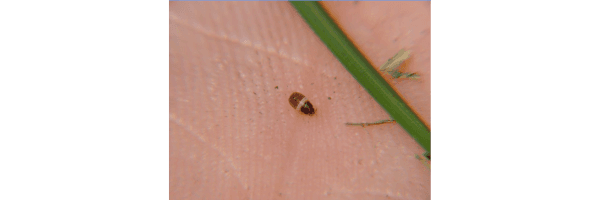
Chinch Bugs can produce multiple generations per year, which means they can cause significant damage to lawns if left unchecked. A change in cultural practices can help deter these pests. However, once the lawn is infested, treatment may be necessary to eliminate the problem.
A thick, healthy, well-maintained lawn is always the best line of defense. This can be achieved through beneficial cultural practices, which include:
Your local Weed Man professional may be able to offer other solutions and recommend the best form of treatment that is available to improve the conditions of your lawn.
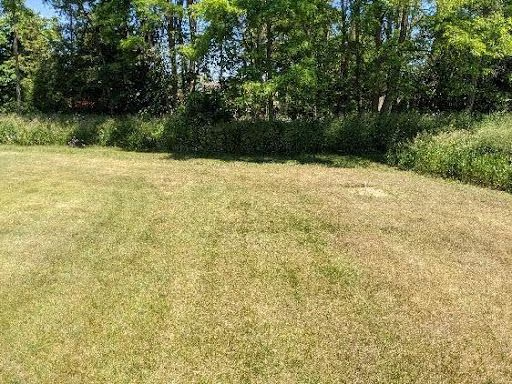
Drought stress refers to the negative effects on a lawn when there is not enough water available for the grass to properly grow and thrive. This can cause the grass to turn brown and dormant, while al...
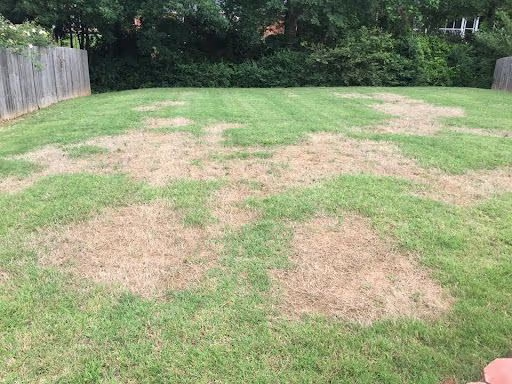
Take-All Patch, also called “Root Rot,” is a common fungal disease that affects the roots of grass plants, particularly in golf courses and lawns. It attacks lawns that are already stressed, weakened,...
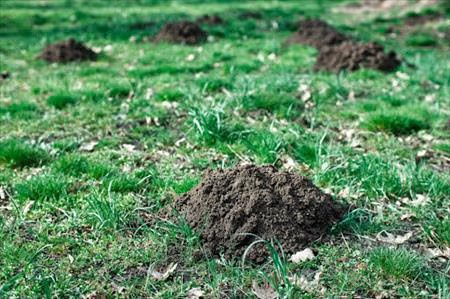
The adult mole is a small, burrowing mammal, commonly found in lawns and gardens. It has dark gray or brown velvety fur and a cylindrical body that is 15 to 20 cm (5 to 8 inches) long. It has small ey...

