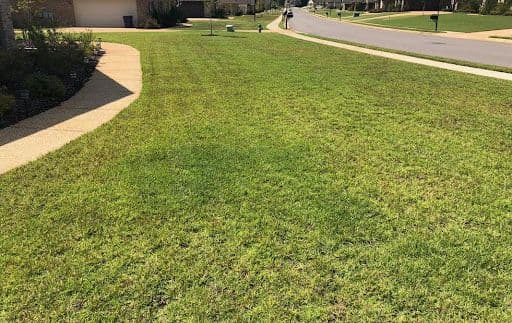
Centipedegrass is a warm-season grass species commonly found in lawns in the southeastern US because of its tolerance to heat and drought. It has a slow growth habit and forms a light green, dense, medium-textured turf, which is low growing and requires relatively low maintenance compared to some other varieties of grasses.
Centipedegrass Decline is a condition where lawns primarily composed of Centipedegrass show symptoms of yellowing, thinning, and stunted growth. It can be caused by a variety of factors, including improper mowing, pest infestations, drought, and soil compaction. You will often find an increase of Centipede Decline when there is a significant cool down at night for an extended period of time. These cool temperatures will often prevent green-up, and the turf will look chlorotic or yellowish and may eventually die.
The predominant causes of Centipedegrass Decline are soil compaction, poor soil drainage, drought stress, and poor soil pH. Once diagnosed, preventive and corrective actions must be taken as soon as possible.
A thick, healthy, well-maintained lawn is always the best line of defence. This can be achieved through beneficial cultural practices, which include:
Recommended Mowing Height
Your local Weed Man professional will be able to offer other solutions and recommend the best form of treatment that is suitable to improve the conditions of your lawn.
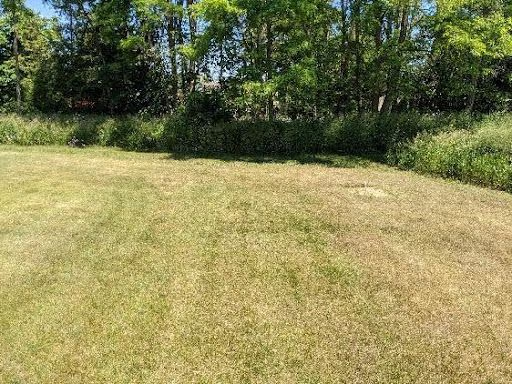
Drought stress refers to the negative effects on a lawn when there is not enough water available for the grass to properly grow and thrive. This can cause the grass to turn brown and dormant, while al...
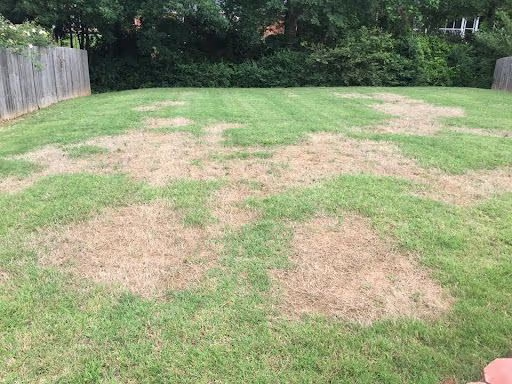
Take-All Patch, also called “Root Rot,” is a common fungal disease that affects the roots of grass plants, particularly in golf courses and lawns. It attacks lawns that are already stressed, weakened,...
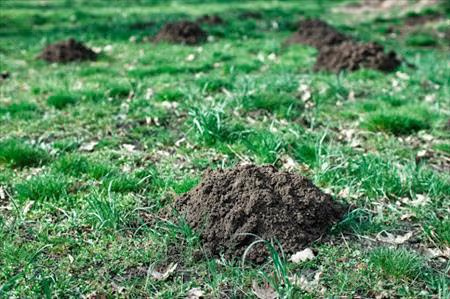
The adult mole is a small, burrowing mammal, commonly found in lawns and gardens. It has dark gray or brown velvety fur and a cylindrical body that is 15 to 20 cm (5 to 8 inches) long. It has small ey...

