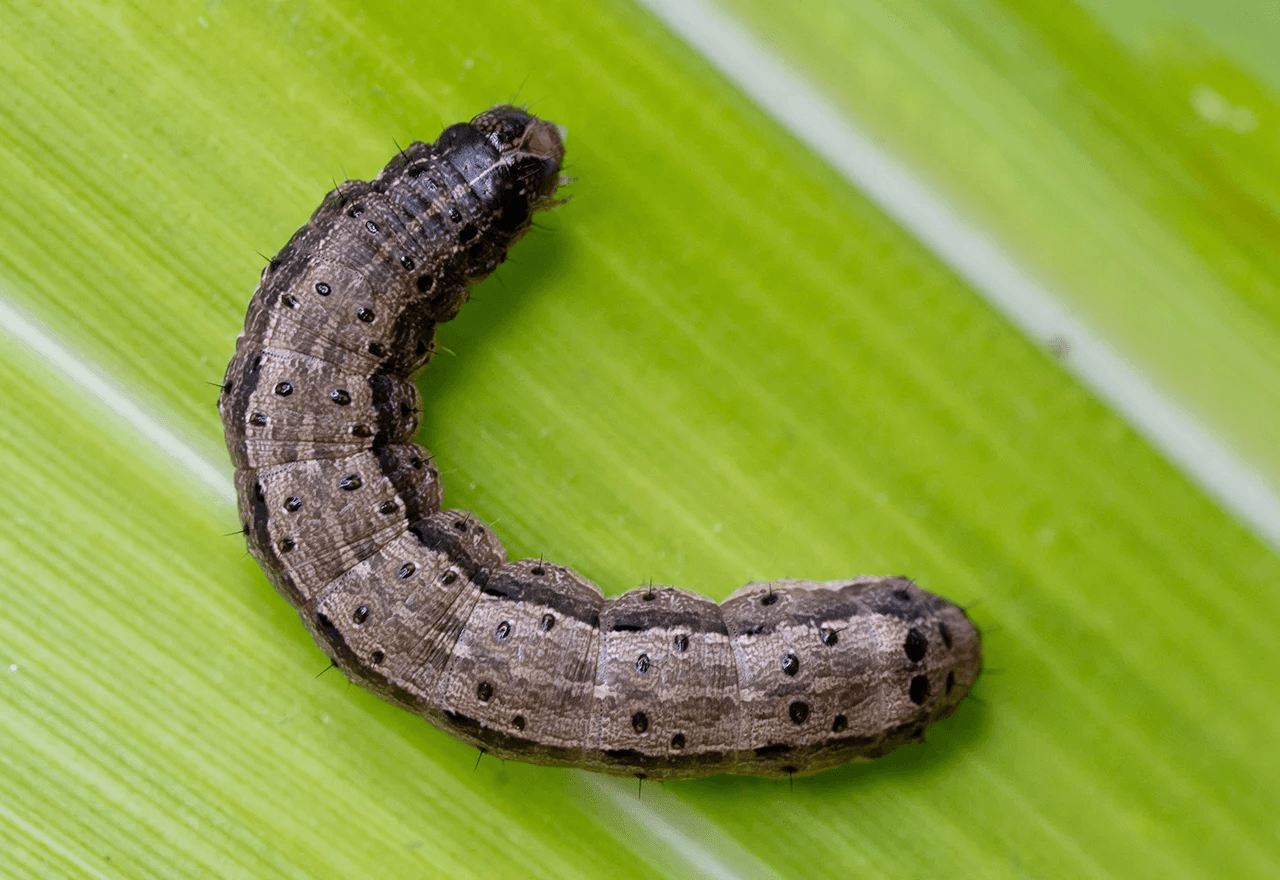
Armyworms are a type of caterpillar that is destructive to crops, particularly turfgrass, corn, and wheat. They are called Armyworms because of the way they move across lawns in large groups or "armies,” devouring plants as they go. Armyworms are the larval stage of a moth, which is native to North America and can be found east of the Rocky Mountains, reaching northward into southern Canada. Armyworms are typically green or brown in color and have a smooth, segmented body that can grow up to 2 inches long. They are identified by a distinguishing dark line running down the middle of their back.
Armyworm Moths migrate from the southern United States in April and May. They are active during the evening, feeding on nectar, mating, and searching for areas like your lawn to lay their eggs.
Armyworms can be difficult to identify and may become a significant problem if left undiagnosed. A change in cultural practices can help deter these pests. However, once the lawn is infested, treatment may be necessary to eliminate the problem.
A thick, healthy, well-maintained lawn is always the best line of defense. This can be achieved through beneficial cultural practices, which include:
Your local Weed Man professional may be able to offer other solutions and recommend the best form of treatment that is available to improve the conditions of your lawn.
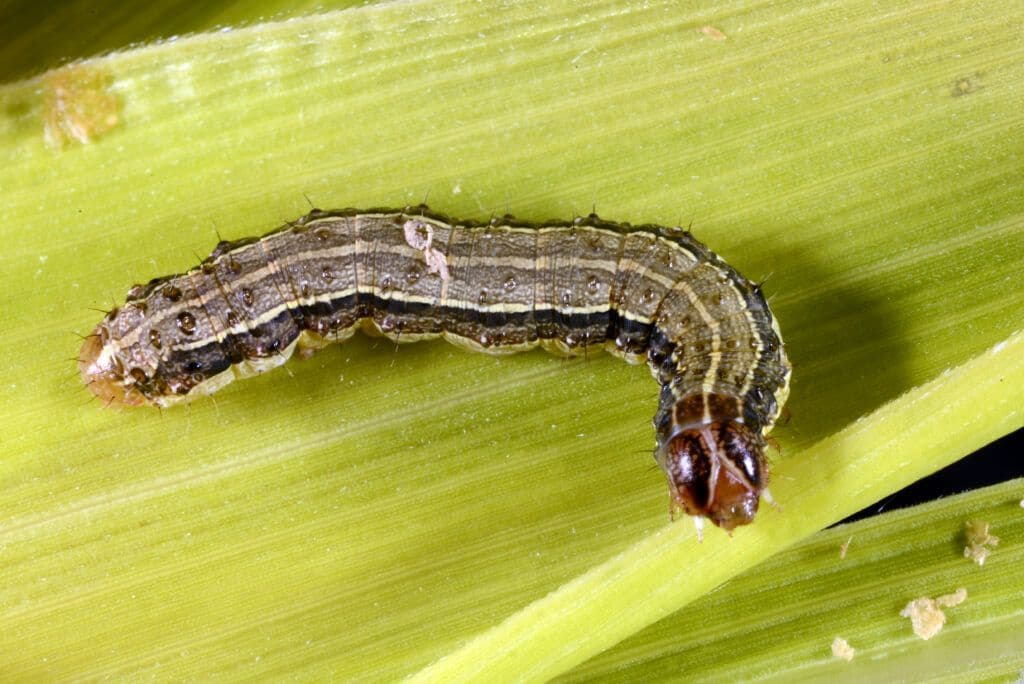
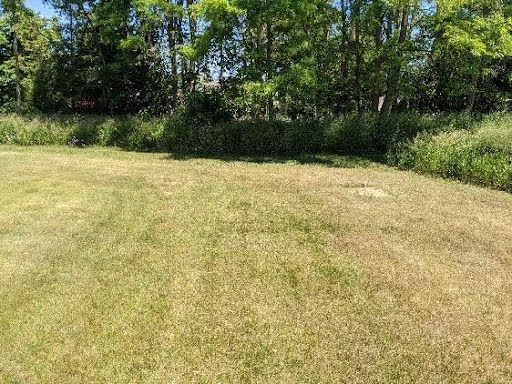
Drought stress refers to the negative effects on a lawn when there is not enough water available for the grass to properly grow and thrive. This can cause the grass to turn brown and dormant, while al...
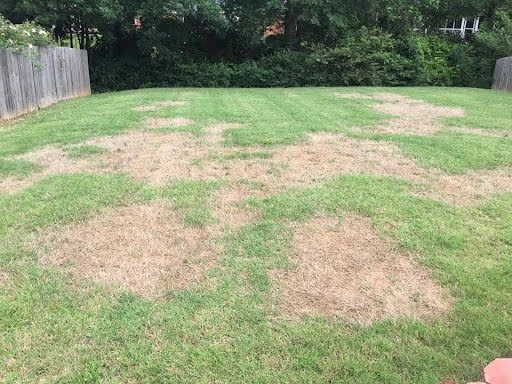
Take-All Patch, also called “Root Rot,” is a common fungal disease that affects the roots of grass plants, particularly in golf courses and lawns. It attacks lawns that are already stressed, weakened,...
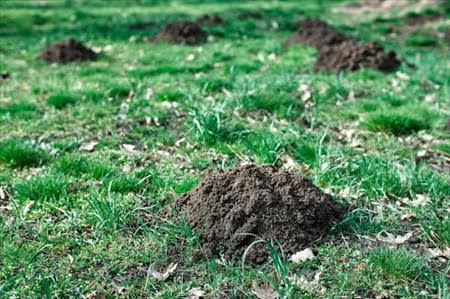
The adult mole is a small, burrowing mammal, commonly found in lawns and gardens. It has dark gray or brown velvety fur and a cylindrical body that is 15 to 20 cm (5 to 8 inches) long. It has small ey...

