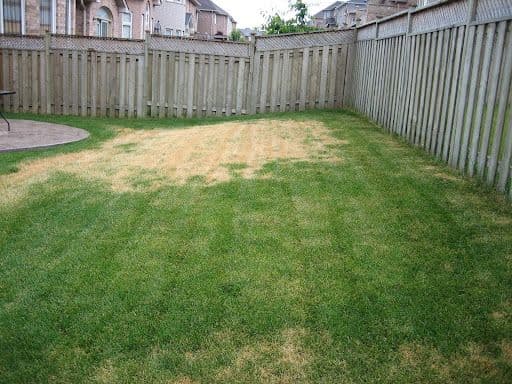
Melting Out and Leaf Spot diseases are often grouped together due to their similar symptoms and effect on turfgrass.
Melting Out becomes apparent by the discolored spots on the grass blades, but as the disease progresses, the fungus enters the base of the plant and attacks the crown and roots. Affected turf appears yellowish, thin, and shabby, with irregular patches of dead grass. When these affected areas are raked, dead grass plants are easily removed. The most apparent difference between the two diseases is that the Melting Out pathogen is active during cool, wet weather. Although it can affect most cool season grasses, it also tends to cause most damage in warm season grasses such as bermudagrass and zoysiagrass.
Melting Out can be difficult to control if it goes undetected and can spread quite rapidly given the right weather conditions. It becomes critical to adopt proper cultural practices to improve the health of the lawn and further limit the spread of the disease. However, depending on the size of the infestation and the scope of the damage, other forms of control may be necessary.
A thick, healthy, well-maintained lawn is the best line of defense. Here’s how you can adjust your beneficial cultural practices to reduce the spread of Melting Out disease:
Your local Weed Man professional may be able to offer other solutions and recommend the best form of treatment that is available to improve the conditions of your lawn.
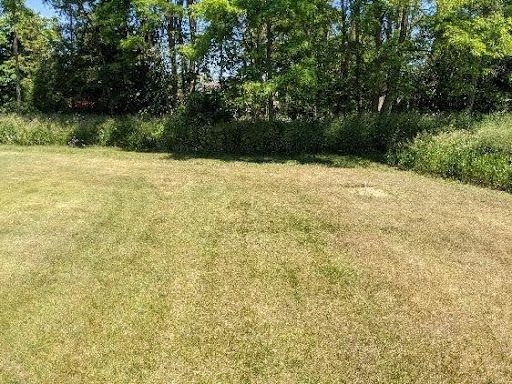
Drought stress refers to the negative effects on a lawn when there is not enough water available for the grass to properly grow and thrive. This can cause the grass to turn brown and dormant, while al...
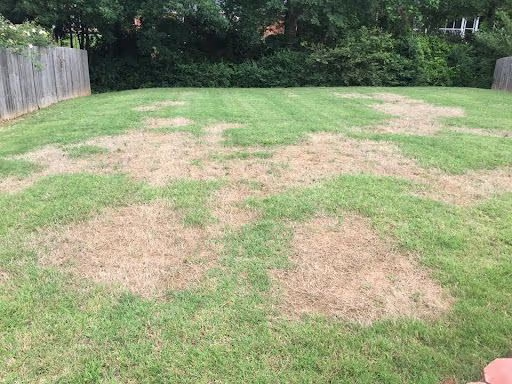
Take-All Patch, also called “Root Rot,” is a common fungal disease that affects the roots of grass plants, particularly in golf courses and lawns. It attacks lawns that are already stressed, weakened,...
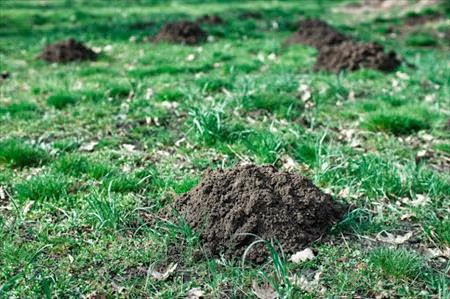
The adult mole is a small, burrowing mammal, commonly found in lawns and gardens. It has dark gray or brown velvety fur and a cylindrical body that is 5 to 8 inches long. It has small eyes and broad f...

