Unattractive Turf
Paspalum grows in uneven and clumpy bunches with broad leaves and tough stems, ruining your lawn’s colour and texture.
We Can Help You Eradicate Paspalum, For Good!

Paspalum grows in uneven and clumpy bunches with broad leaves and tough stems, ruining your lawn’s colour and texture.
Hand-pulling is not effective on paspalum in the long term. It also results in bare spots that need additional attention.
Paspalum spreads both underground and on the surface, meaning it can take over your lawn and force out your good grass if left unchecked.
Its tough stems and flat growth habit often mean your lawn looks messy and unkempt, even right after you’ve mowed it.
The dense root structure means that it can be difficult to remove, and it spreads easily to other areas.
If you ignore the problem or put off looking for a solution, the damage will spread throughout your lawn.. Paspalum control should start immediately.
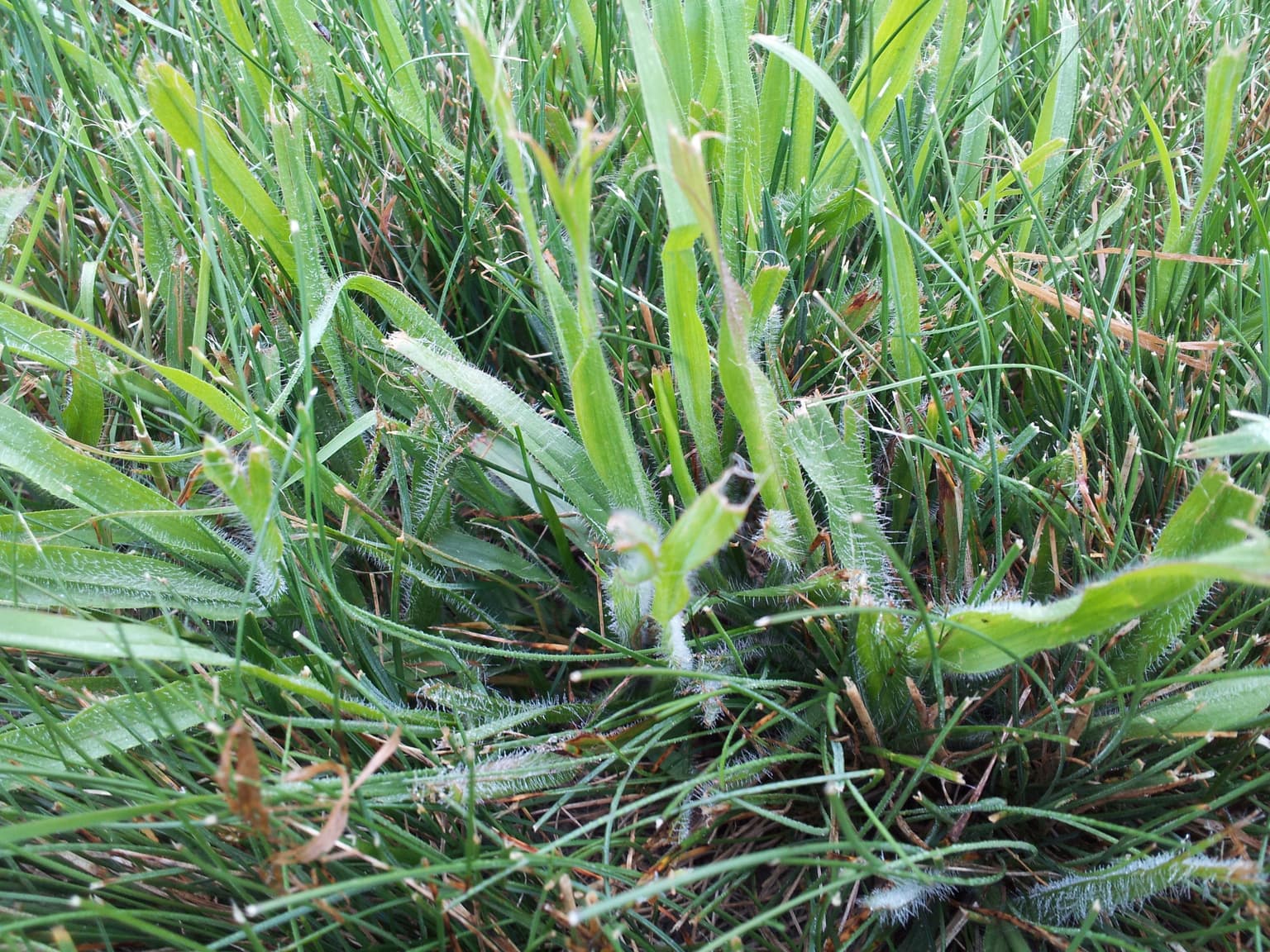
Thin or bull paspalum grasses are commonly found in residential lawns throughout the northeastern United States. They are often confused with crabgrass because of some similar characteristics. You can distinguish Paspalum grasses from crabgrass by the large amount of hair on Paspalum leaves.
Because of its ability to grow in wet soil and tolerate flooding, paspalum is commonly used for:
However, for most homeowners throughout the southeastern United States, it’s an invasive nuisance.
Paspalum spreads by its roots, above-ground stolons, and below-ground rhizomes, which makes it especially aggressive and difficult to control. This makes an expert analysis and identification crucial when developing a plan to control paspalum.
Trying to kill your paspalum with an over-the-counter product from your local hardware store will probably not give you the results you’re looking for.
This is why we recommend calling a paspalum control expert for reliable results that will last season after season.
Small infestations of paspalum may be controlled by pulling individual plants by hand and repairing these areas with desirable grass seed varieties or sod. However, if the infestation is on the larger side, this will be quite labour-intensive. It’s also not effective in the long run, due to the many ways paspalum spreads across your lawn, even when you can no longer see it on the surface.
Professional paspalum control may be necessary to maintain your weed-free lawn. Your trained and certified technician will identify the paspalum (and other conditions) to tailor your treatment plan and help your lawn thrive.
As always, your best line of defence against paspalum and other weeds is a lush, healthy lawn. Stay on top of your beneficial cultural practices, including:
Paspalum Control should start as soon as you notice it on your lawn. If you’ve spotted it, don’t hesitate, get a free lawn care quote today.
This is my first year using a lawn service company for my weeds. I was skeptical at first but whatever they did to my lawn worked. The advice they gave me about what I could do to help keep the lawn looking great from watering to length of cut really helped. I had several people comment on how great it looked. I called in a few times with questions about my lawn care. By far the best customer service people I've dealt with in a long time. Great people. Highly recommend.

2025/07/03
This team is great. What appears to be a quick come and gone application, is from experience and a good eye. The moss control and fertilizer application has greatly improved the rich green colour. The aeration and overseeding has filled in those mole hills from last year's damage. Tegjot has requested a second weed control spray to get that pesky buttercup under control. Nearly 20 year of neglect is a work in progress, but already looks so much better.. Thank you.
2025/10/02
This is the second season that Weed Man, Dartmouth has been taking care of my lawn. I would recommend this company because the staff are knowledgeable, a pleasure to deal with, and they care about what they do. It is always easy to contact them, which is such a bonus these days. They provide timely updates on upcoming and completed services. A great company for lawn care.
2025/09/03

Achieve golf course quality results with Weed Man's premium, proprietary, slow-release granular fertilizer, specially blended with your lawn's nutrition in mind.

Eliminate unsightly and aggressive weeds with top-of-the-line products, specially tailored to the needs of your lawn and safely applied in the hands of our trained professionals.

Aeration promotes good root health by removing small cores of soil to reduce your lawn’s thatch layer, allowing water, air, and nutrients to reach the areas that need it most.

Manage unwanted weeds and grasses popping up in the landscaped areas of your property, including gardens, shrub beds, and mulched areas.

Manage troublesome, difficult-to-identify crabgrass with top-of-the-line products, safely applied in the hands of our trained professionals.

Manage unwanted weeds and grasses popping up in areas of your property, such as your driveway, patio, sidewalk, or walkway.

Our trained and certified technicians will diagnose the presence of lawn diseases and implement a custom treatment plan to control disease-related damage in your lawn.

Defend your lawn from grub damage. Our trained and certified technicians will identify the infestation and recommend the best solution for your lawn.
Our trained and certified technicians will assess and restore the soil to an acceptable pH balance, allowing your lawn to properly absorb all the water and nutrients it needs.

Defend your lawn from insect damage. Our trained and certified technicians will identify, prevent, and control an infestation of turf-damaging insects.

Reclaim your outdoor space from annoying, biting mosquitoes. Get custom, targeted control and regular service from a trained professional, effectively reducing the mosquito population in your yard.

Overseeding strengthens your lawn and replenishes thin or bare areas with high quality grass seed.
We stand behind our services, and we'll happily visit your property in between scheduled visits, as needed and free of charge, to address any concerns and find suitable solutions for you. That’s our service guarantee!
Get free advice from our lawn care experts to keep your yard looking its best all year!
SHOW ME