
White Grubs are the larvae of certain species of beetles, such as the Japanese Beetle, June Beetle, and European Chafer. These grubs are common pests in residential lawns, particularly in North America. White Grubs are typically white or cream-colored, with a C-shaped body that is about 1 inch long. They are also easily identified by their brown head and three sets of brown legs.
White Grubs feed on the roots of grass, which can cause extensive damage to the lawn. Infestations are most common in lawns that have been recently established or those that have thin or weak turf. They pupate and emerge as adult beetles to lay their eggs in late spring and are most active in the late summer and early fall when they are feeding and growing.
Signs of infestation include dead or dying patches of grass, loose turf, and birds or other animals digging in the lawn to feed on the grubs. Secondary damage from skunks and raccoons is usually the strongest indicator of a grub problem. Unfortunately, we are not able to prevent this damage, which makes a proactive approach for treatment even more important.
The life cycle of White Grubs can vary somewhat depending on the species, but in general, it consists of four stages: egg, larva, pupa, and adult. Although the adult beetles do not cause damage to the lawn, an increased population of the adult beetles in your area can be an indicator of a problem to come in fall.
Serious damage can occur in spring and fall. The damaged patches will get larger and can devastate a lawn in a short period of time. Understanding the lifecycle of White Grubs is important for managing their populations and preventing damage.
A thick, healthy, well-maintained lawn is always the best line of defense. This can be achieved through beneficial cultural practices, which include:
Your local Weed Man professional may be able to offer other solutions and recommend the best form of treatment that is available to improve the conditions of your lawn.
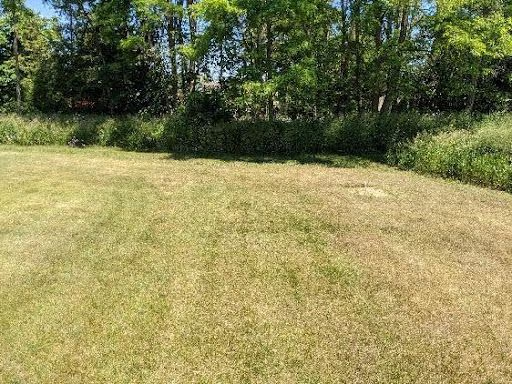
Drought stress refers to the negative effects on a lawn when there is not enough water available for the grass to properly grow and thrive. This can cause the grass to turn brown and dormant, while al...
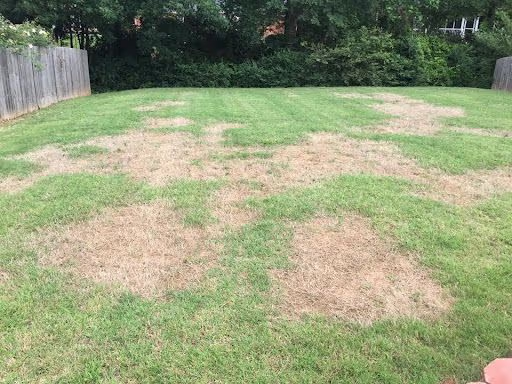
Take-All Patch, also called “Root Rot,” is a common fungal disease that affects the roots of grass plants, particularly in golf courses and lawns. It attacks lawns that are already stressed, weakened,...
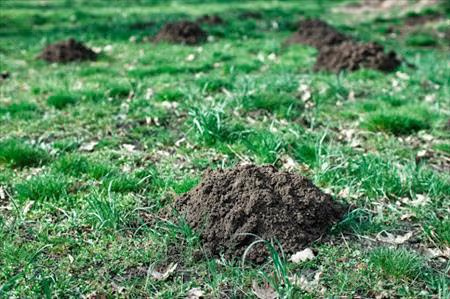
The adult mole is a small, burrowing mammal, commonly found in lawns and gardens. It has dark gray or brown velvety fur and a cylindrical body that is 5 to 8 inches long. It has small eyes and broad f...

