Written By
Allison Russell
Published On
June 20, 2024
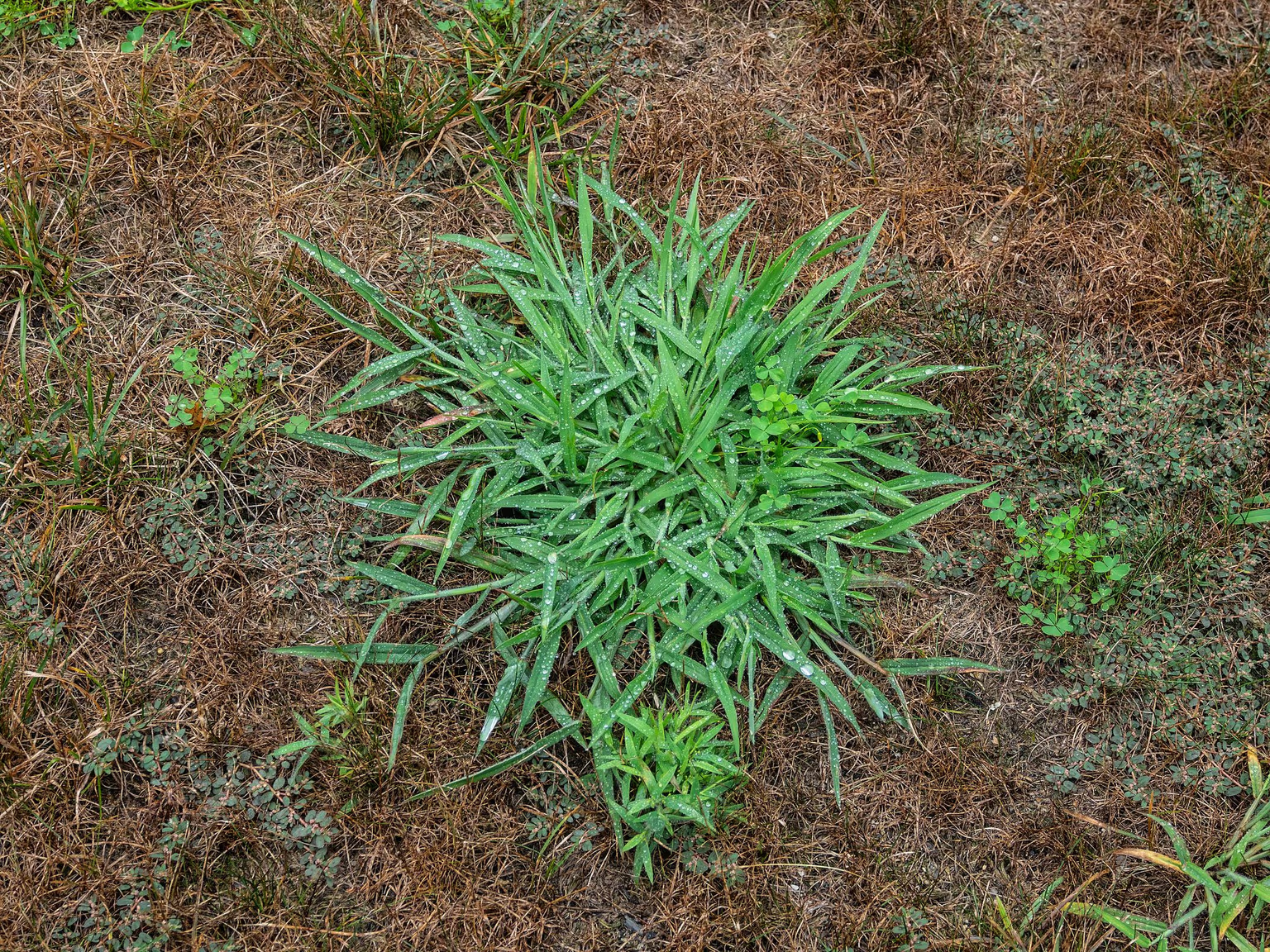
While some flowering broadleaf weeds, like dandelions, are fairly easy to spot in your lawn, other varieties of weeds might seem more akin to turfgrass at first glance – but that doesn’t mean you want them in your lawn!
In general, the most common weeds plaguing North American lawns can be grouped into three categories: grassy weeds, broadleaf weeds, and sedges. Grassy weeds (like crabgrass), broadleaf weeds (like dandelions and clover), and sedges (like nutsedge) look and behave very differently, which means the methods used to control them will differ as well.
Last month, we took a closer look at broadleaf weeds. Today we’re diving into grassy weeds – and what to do about them!
As the name suggests, undesirable “grassy“ weeds share many characteristics with more desirable turfgrass, including long, flat, pointed green leaves (or “blades”), like blades of grass. However, you’ll be able to spot a few key differences. Grassy weeds may grow in clumps or bunches, with a taller or quicker growth rate than the surrounding lawn, prominent seed heads, prolific seed production, and brighter or darker colouing than regular turfgrass.
Despite similar appearance to turfgrass, grassy weeds pose a threat to home lawns. These aggressive growers can out-compete your lawn for nutrients, water, and sunlight, weakening the turf and making it more susceptible to threats, like disease, pests, and other weeds.
You’ll recognize these characteristics in in many common lawn weeds, including:
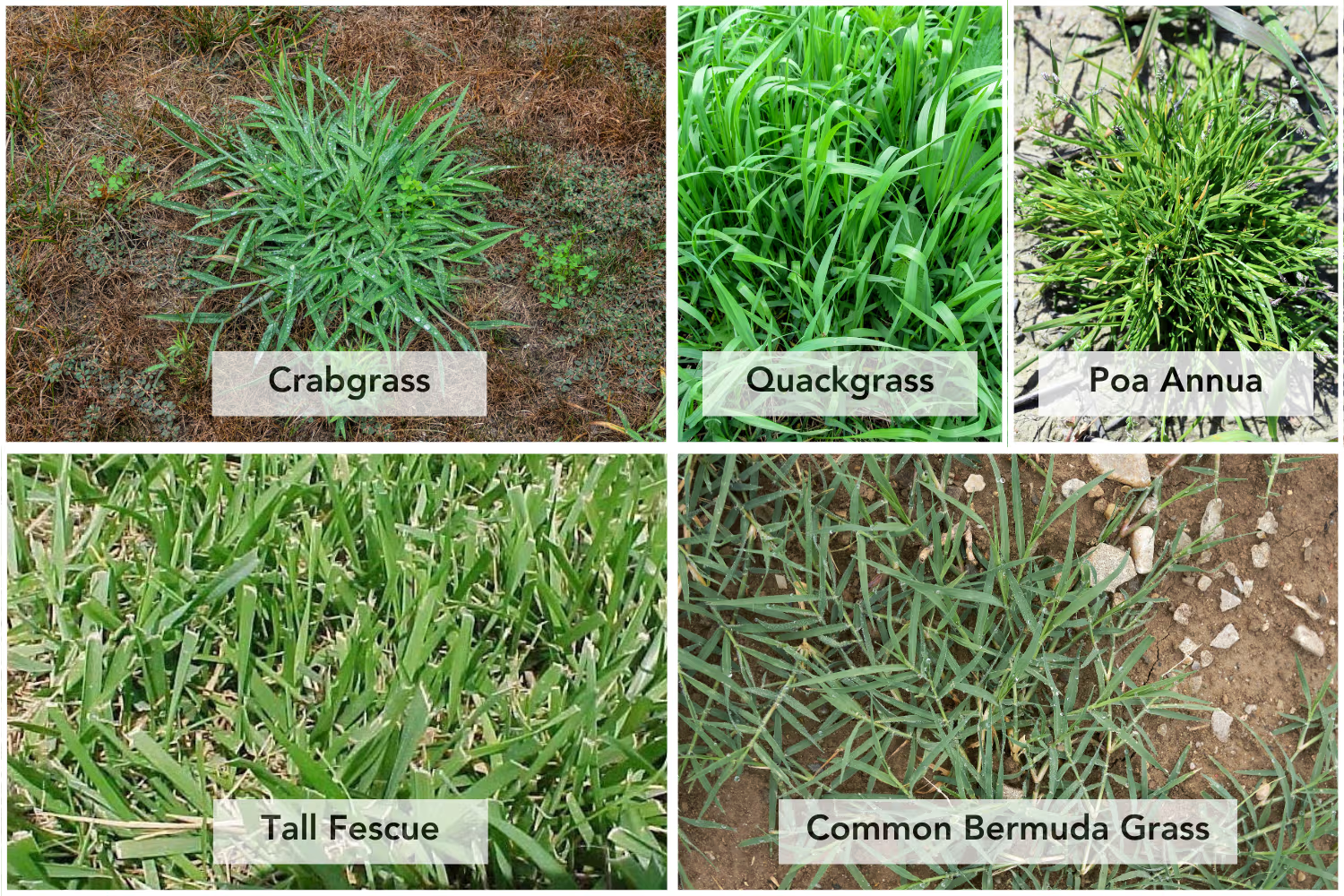
Once established, grassy weeds are extremely difficult to control. If left unattended, they can spread quickly, stealing valuable nutrients from your turfgrass lawn, so it’s important to start addressing grassy weeds as soon as possible. Different control methods are required for grassy weeds, such as crabgrass, than are needed for other types of weeds, like broadleaf weeds and sedges. Contact your local Weed Man for recommendations and solutions that are suitable to improve the conditions of your lawn.
Unfortunately, in some cases, the only control methods for grassy weeds may be to improve the overall health of your lawn with strategic cultural practices, helping it withstand grassy weeds and other lawn conditions.
A thick, healthy, well-maintained lawn is always the best line of defense against weeds and other harmful lawn conditions, like disease and pests. In addition to your weed control program, a healthy lawn can be achieved through beneficial cultural practices, which include:
Find a Weed Man near you and get a free quote today!
Written By
Allison Russell
Published On
June 20, 2024

Calling all customers! Help us plant the seeds of kindness and give a much-needed hand to our neighbors. It’s time for our 3rd Annual Grassroots Giving food drive.

Calling all customers! Help us plant the seeds of kindness and give a much-needed hand to our neighbors. It’s time for our 3rd Annual Grassroots Giving food drive.
Calling all customers! Help us plant the seeds of kindness and give a much-needed hand to our neighbors. It’s time for our 3rd Annual Grassroots Giving food drive.

