
Written By
Dr. Brad
Published On
June 3, 2026
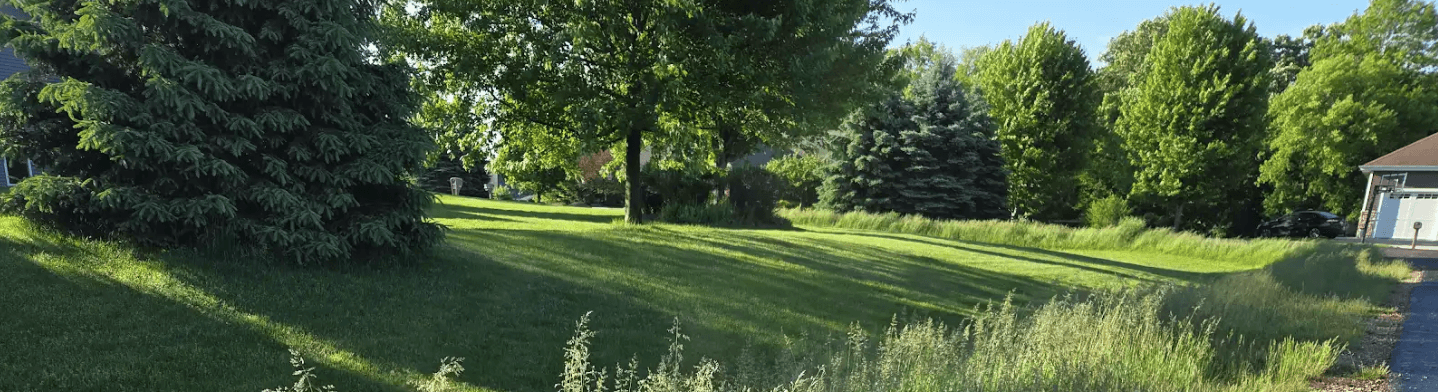
I walk my neighborhood two times per day with my German shepherd, Kai. She enjoys the smells and visiting a few friends; I enjoy the extra few calories I burn that can later be replaced by chocolate decadence.
On the few relatively rare occasions, my four-year-old gets to tag along. When she is not being herded back by Kai, which is its own entertainment, she is stopping her bicycle to find the mature, feathery white dandelion seedheads and blowing them around the neighborhood. Each dandelion head can produce several hundred viable seedheads in this mature state.
Really, this is a historical behavior passed down through generations. The level of irresponsibility in this action, though, can be defined as nothing less than criminal for those of us striving for a weed-free lawn.
Or maybe this is simply a source of job security for those of us in the lawn care industry.
This time of year, many plants are blooming, seeding out, and preparing for summer, including the grass in our lawns. These seedheads begin to emerge in mid-to-late spring, the timing dependent upon daylength and temperature.
A natural response of the plant to continue propagation of its species. Similar to dandelions, each seedhead, or panicle, can produce several hundred seeds at a time. The mild temperatures and timely winter precipitation in Oregon have perfected this process and solidified it as the primary grass seed-producing state in the country. Where seed is grown, harvested, bagged, and sold to consumers around the world.
I don’t think any of us are trying to put the state of Oregon in second place on the list, but seedheads can be found throughout many of our lawns right now. The best part is if we mow these seedheads into our lawn, it is free overseeding!
That is myth #1. These seedheads are absolutely not viable, and will not produce new plants when mown down to the ground. Most modern turf-types produce sterile seeds, a process beginning in the 1950’s to reduce seed stalk production in the lawn. If you have an older hybrid, the seedheads would need to be allowed to mature on the plant for several months and dry out naturally.
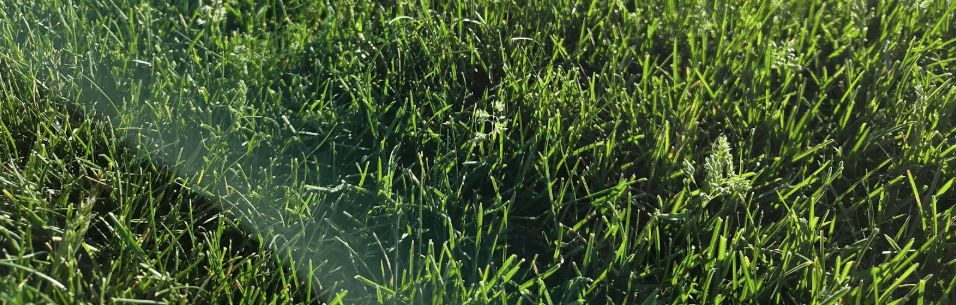
Myth #2 is that these seedhead stalks are weeds. While breeding has reduced the volume of seedhead production in our lawns, it is a natural plant response to its environment. It cannot be prevented with pre-emergent weed control, and post-emergent control would damage all desirable grasses.
Once this seedhead production has stopped, brown stalks may remain for several weeks that are also misinterpreted as weeds. In time, these stalks will be disguised by the rest of the lawn as it grows.
This seedhead production that compromises the uniformity of our lawn is understandably frustrating for many. But know it is a natural, unavoidable process that is temporary in nature.
Be patient; enjoy Mother Nature’s little quirks. Just like I have learned to appreciate the pleasures more commonly found by a four-year-old. Take in nature and enjoy the walk.
Written By
Dr. Brad
Published On
June 3, 2026
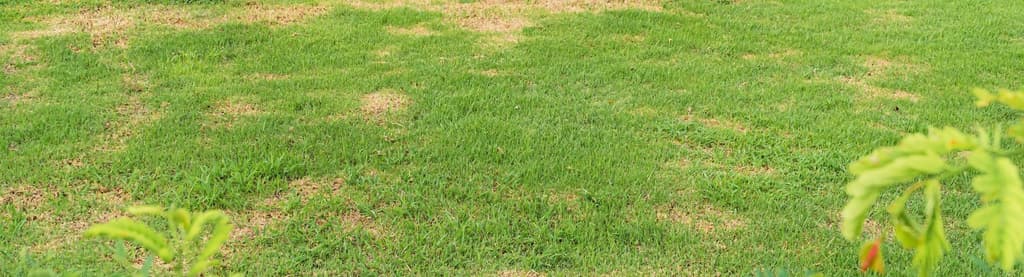
If you live in the South, summer heat can be tough on your lawn. Even though Bermuda grass is one of the most heat-tolerant turf types available, extended periods of high temperatures and limited ra...

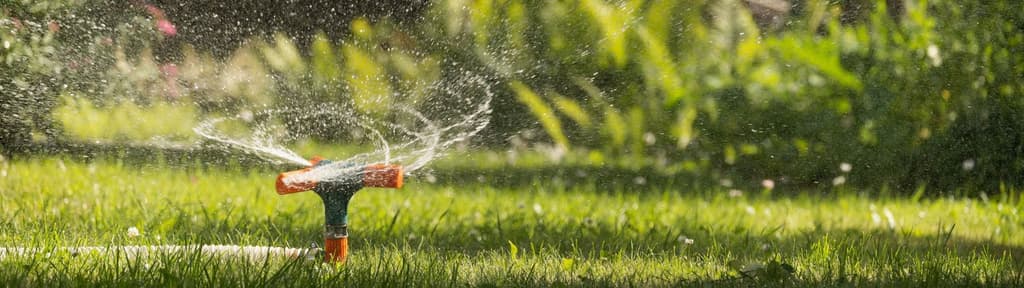
One of the most frequent questions I receive revolves around water quantity and timing for cool-season grasses.
The summer heat is here, and most families are planning the weekend around their favorite pool or body of water. It gives us a sense of relaxation, even if you are playing lifeguard. Unfortunately, ou...

