
Written By
Jason Schmidt
Published On
July 23, 2026
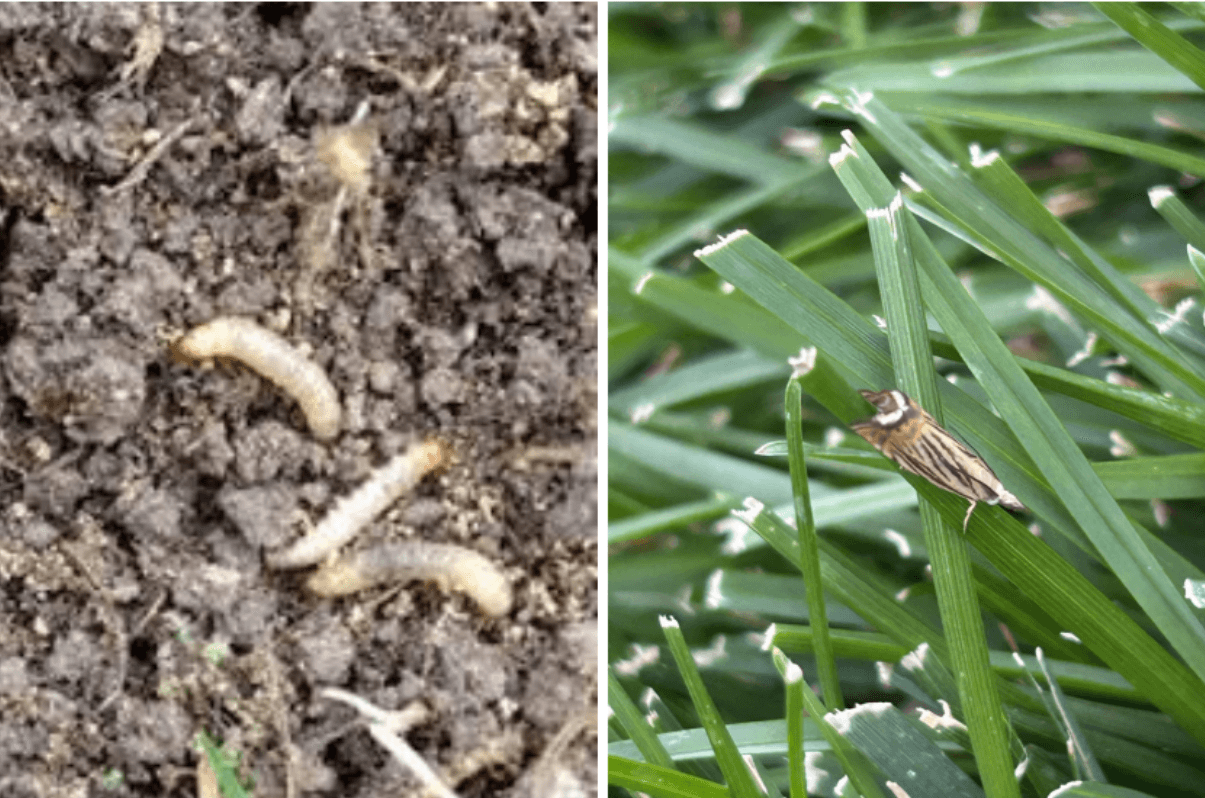
Cranberry Girdlers. Yes, you may hear the name and think there’s no way that’s a turf-damaging insect; it sounds more like a fictional character. Unfortunately, those involved in managing turfgrass in Colorado & the western mountain region have started to become very familiar with this insect.
The name provides quite a bit of uncertainty about why these webworms have started to appear in lawns after being a common pest in cranberry bogs. Nonetheless, they can really make their presence known and destroy lawns. Currently, there is limited research on this insect and its migration to turfgrass, which makes determining proper control very challenging.
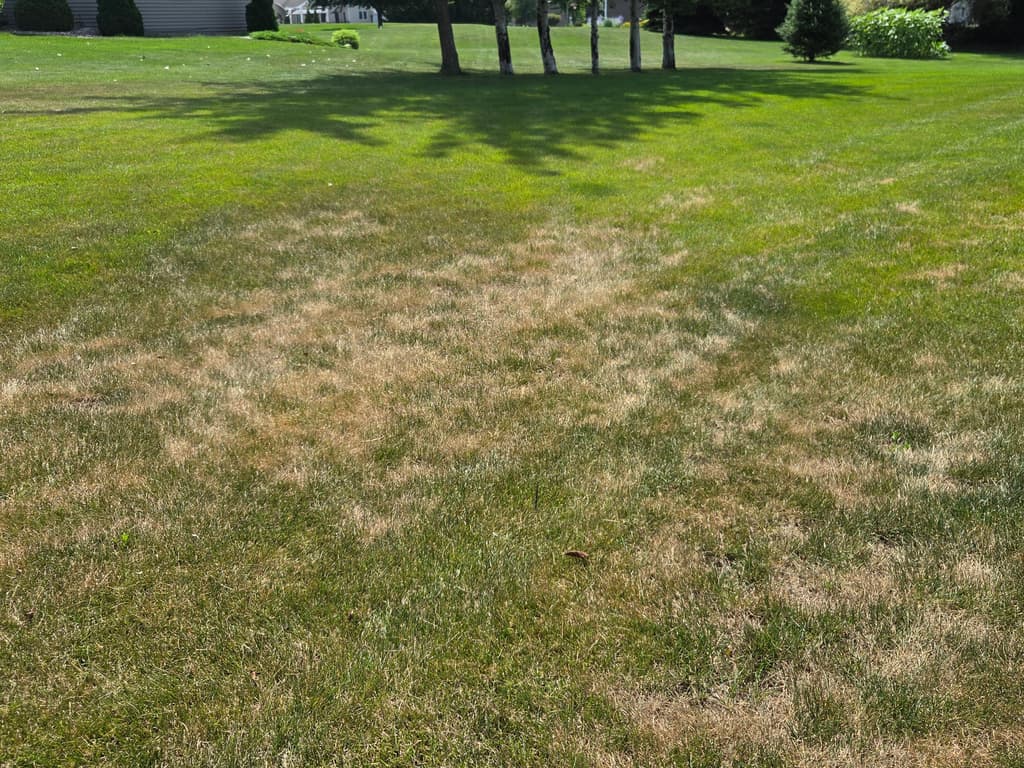
Most of the damage to turfgrass occurs late summer into fall and tends to mimic the same appearance as your common white grub damage. Drought symptoms from above, but when you start to tug on the grass, it will pull up like carpet.
Cranberry girdlers overwinter as larvae and emerge in June as adult moths. Eggs are laid directly on turfgrass blades and then move their way into the thatch as larvae, where feeding on roots/turfgrass crowns takes place through late summer.
Proper cultural practices are most important to avoid damage; well-maintained lawns will do fine with a girdler infestation. It would be best to apply a spring/early summer treatment (Acelepryn) for lawns that have experienced damage in previous years. Acelepryn won’t work fast enough if applied in the fall when you find the damage. Trichlorfon (Dylox) is your best rescue treatment during that stage.
Act quickly once you start to see the adult moths!
Written By
Jason Schmidt
Published On
July 23, 2026
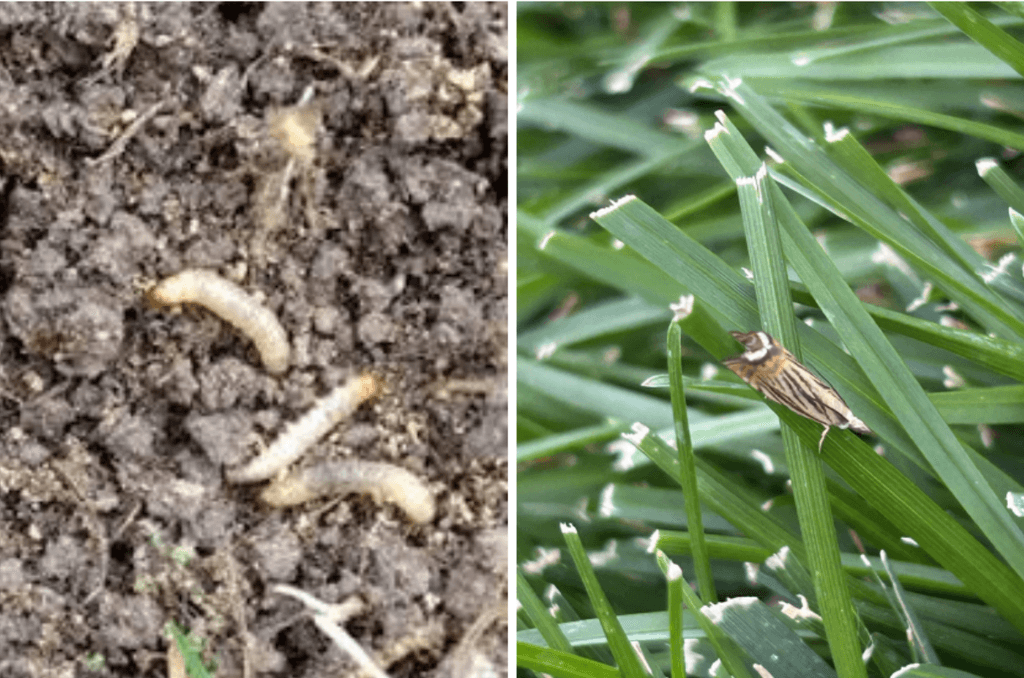
Are You Seeing Moths On Your Lawn In The Late Afternoon & Evening Hours?

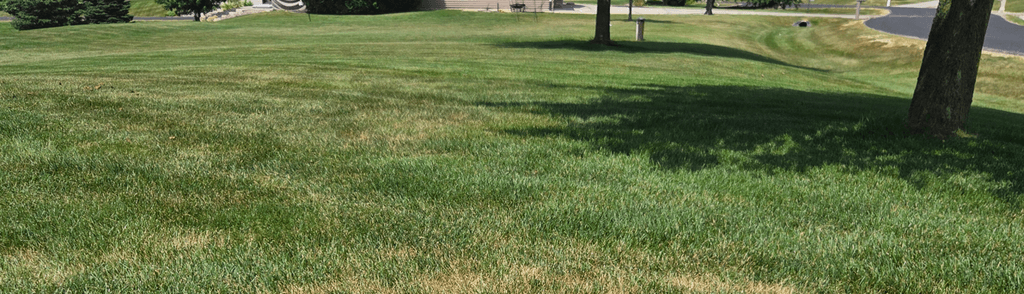
Why Does Grass Turn Brown in Summer? Here’s How to Keep It Green
I went to school for what people tell me was a long time. To keep my self-esteem high, we won’t discuss the actual timeline. And it is not only the duration of that educational experience that often c...

