Written By
Allison Russell
Published On
May 11, 2023
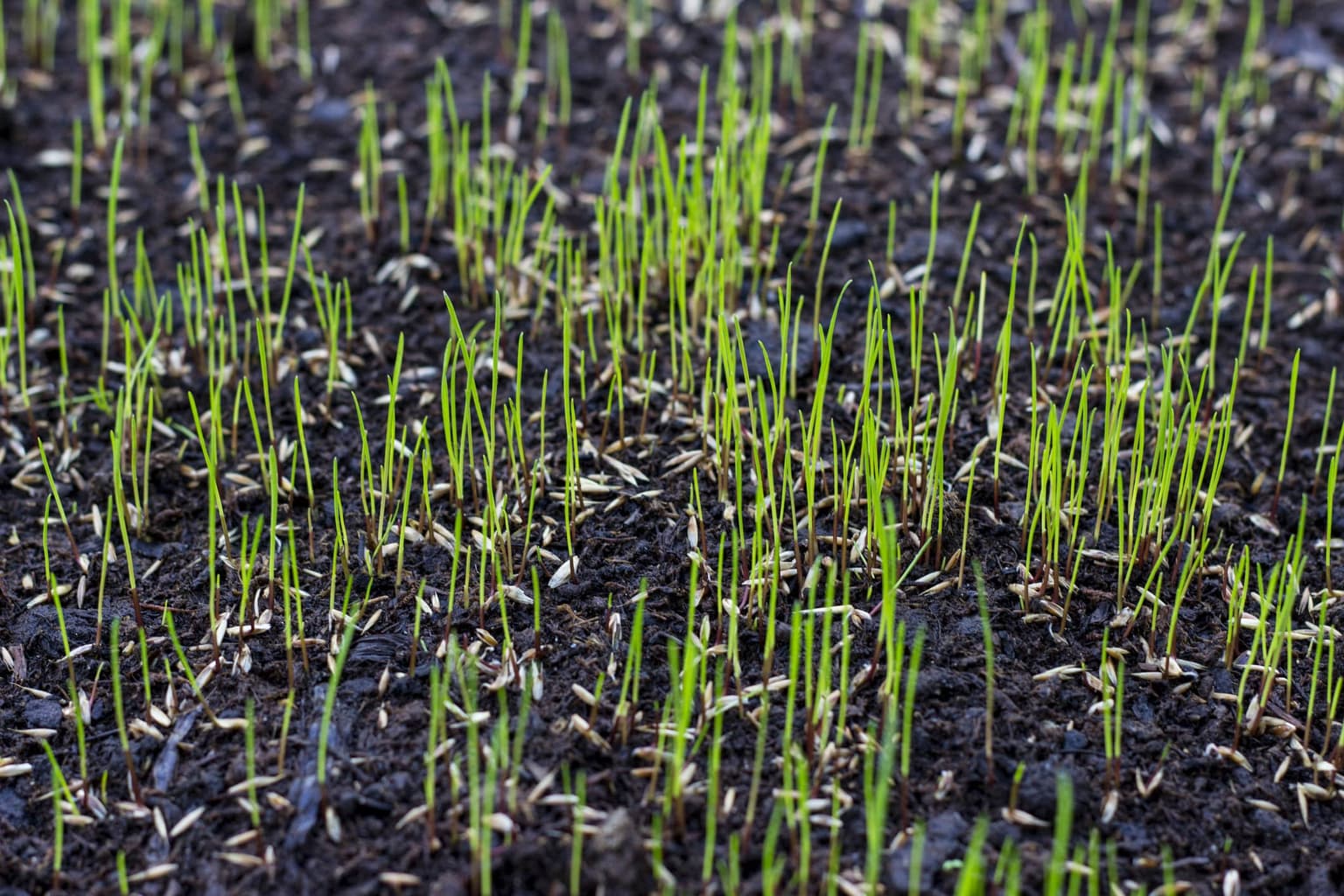
So, you want to grow some new grass? Whether you’re filling in bare patches, overseeding an existing lawn, or starting entirely from scratch, your new grass seed will require some special care and attention to grow strong and healthy. You’ll need to properly prepare the soil, choose the right grass seed for your climate, and follow consistent watering and mowing practices in the weeks that follow.
Before you get started, we’re here to answer all your questions about taking care of new grass seed.
It can be a little tricky to choose the right grass seed for your lawn. When considering varieties of seed, take the following factors into consideration:
The amount of seed you need will depend on the size of the area you plan to seed. In general, you should apply 4 to 6 lbs of seed per 1,000 ft2.
It’s important to properly prepare your soil to encourage seed germination. Rake the bare areas, apply fresh soil, and make sure the seed comes in contact with soil on all sides to achieve successful germination. For lawns that are already well established but have some thin areas, it is best to overseed in combination with mechanical core aeration. This will allow the seed to fall into the aeration holes, giving them a better chance of germinating.
The best time to plant new grass seed is in the spring or fall when temperatures are cool, rainfall is more frequent, and the soil is moist. Soil temperatures must be above 55˚F in order for the seed to germinate.
Proper fertilization with a slow-release fertilizer–like Weed Man’s premium, proprietary, slow-release granular fertilizer–is important to support seed growth and development. Fertilize when the new seed is planted, then continue with your regularly scheduled fertilization program.
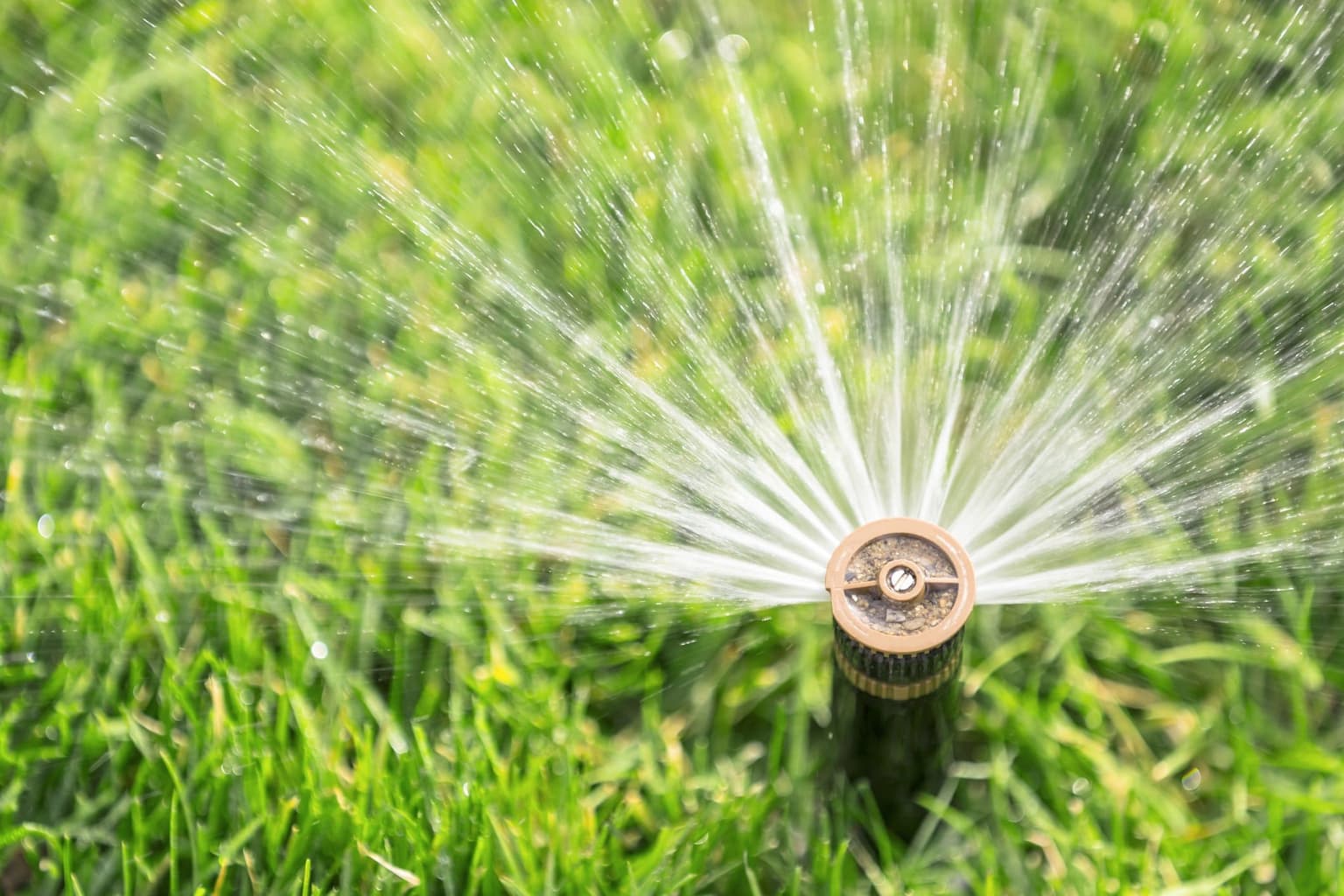
To ensure the new grass is successfully established, follow a strict watering schedule for 14 to 21 days after overseeding. Water daily–preferably in the morning–for 15 to 20 minutes in order to keep the seed moist, especially if there is no supplemental water from natural rainfall.
While your new grass is germinating, it’s fragile and prone to damage. If you see weeds sprouting among your new grass, you can pull them out by hand. However, you should avoid using a chemical herbicide to treat weeds until after the new grass has had a chance to establish (after you’ve mowed a few times). When in doubt, check the labels of your herbicide product for proper use.
Avoid foot traffic and mowing the new grass until it has reached a height of about 2 to 2½ inches. Once it has reached that height, you can begin mowing it on a regular basis. After you’ve mowed a few times, it will be strong enough for foot traffic, so you and your family can run, play, and freely enjoy the new lawn!
Nurturing new grass is no small feat! Follow these tips to enjoy your lush, green lawn with strong roots and better resistance to weeds, disease, and pests–and then let us help you keep it that way! Find a Weed Man location near you, and get a free quote today!
Written By
Allison Russell
Published On
May 11, 2023

You don’t need to buy an expensive plane ticket, deal with a packed beach, or sit through a long drive to enjoy a summer getaway. Sometimes, the best place is right outside your back door.


People love to throw a lot of numbers at you when you’re selling a home. They will tell you a finished basement will add X, or a new kitchen can add Y. But are any of these numbers real?
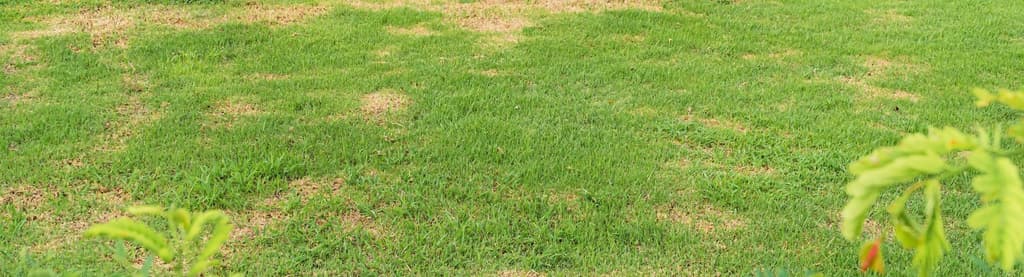
If you live in the South, summer heat can be tough on your lawn. Even though Bermuda grass is one of the most heat-tolerant turf types available, extended periods of high temperatures and limited ra...

