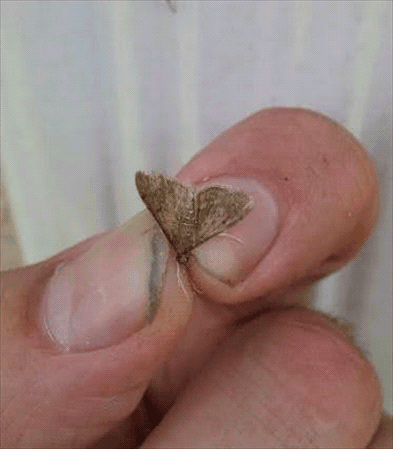
The Tropical Sod Webworm is a common pest in residential lawns, especially in warm and humid regions. These small caterpillars, measuring about ¾ inch long, feed on grass blades, causing brown patches in the lawn. They are most active during the warm months of the year, and they thrive in areas with high humidity and rainfall. The damage is usually most severe in areas that are stressed by drought or heat and receive a lot of sun exposure.
Tropical Sod Webworms prefer to feed on grasses like St. Augustine, Bermuda, and zoysia, which are commonly found in residential lawns. The larvae form silk-lined tunnels in the soil, where they pupate and emerge as moths.
The entire life cycle takes about 6 to 8 weeks, depending on the temperature and other environmental conditions. The pest can have several generations per year, with the peak season for damage occurring during the warmer months.
Tropical Sod Webworms are ideally controlled early in their life cycle, before severe damage occurs. A change in cultural practices can help deter infestations of this pest. However, if damage becomes severe, other forms of control may be necessary.
A thick, healthy, well-maintained lawn is always the best line of defense. This can be achieved through beneficial cultural practices, which include:
Recommended Mowing Height
Common Bermudagrass - ¾ to 1¼ inches
Hybrid Bermudagrass - ½ to 1½ inches
Centipedegrass - 1 to 2 inches
Zoysiagrass - 1 to 2½ inches
St. Augustine - 3 to 4 inches
Fescue - 3 to 4 inches
Your local Weed Man professional may be able to offer other solutions and recommend the best form of treatment that is available to improve the conditions of your lawn.
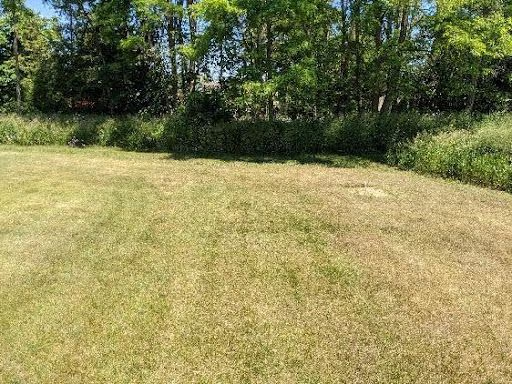
Drought stress refers to the negative effects on a lawn when there is not enough water available for the grass to properly grow and thrive. This can cause the grass to turn brown and dormant, while al...
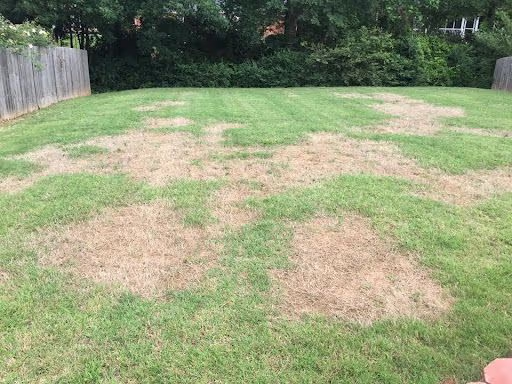
Take-All Patch, also called “Root Rot,” is a common fungal disease that affects the roots of grass plants, particularly in golf courses and lawns. It attacks lawns that are already stressed, weakened,...
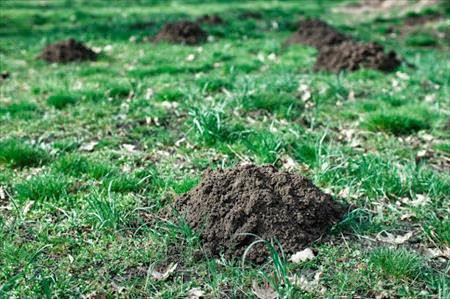
The adult mole is a small, burrowing mammal, commonly found in lawns and gardens. It has dark gray or brown velvety fur and a cylindrical body that is 5 to 8 inches long. It has small eyes and broad f...

