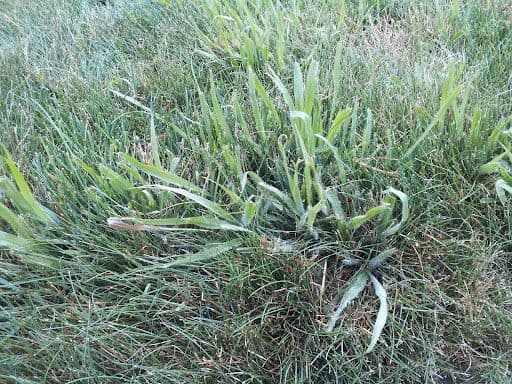
Thin or Bull Paspalum grasses are commonly found in residential lawns throughout the northeastern United States. They are often confused with Crabgrass because of some similar characteristics. A good way to distinguish Paspalum grasses from Crabgrass is by the large amount of hair on Paspalum leaves.
Paspalum grass is characterized by its fine- to medium-textured leaves and its clusters of spiky seed heads. It is known for its adaptability to different growing conditions and for its ability to grow in wet soil and tolerate flooding for long periods. It is commonly used for turfgrass, forage for livestock, and erosion control.
An effective way to control small infestations of Paspalum is by pulling individual plants by hand and repairing these areas with desirable grass seed varieties or sod. If the infestation is larger, other forms of control may be necessary.
A thick, healthy, well-maintained lawn is always the best line of defence. This can be achieved through beneficial cultural practices, which include:
Recommended Mowing Height
Your local Weed Man professional will be able to offer other solutions and recommend the best form of treatment that is suitable to improve the conditions of your lawn.
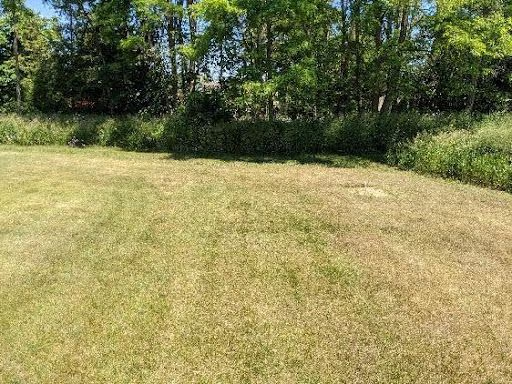
Drought stress refers to the negative effects on a lawn when there is not enough water available for the grass to properly grow and thrive. This can cause the grass to turn brown and dormant, while al...
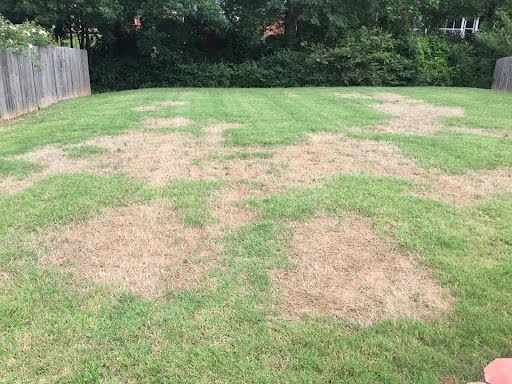
Take-All Patch, also called “Root Rot,” is a common fungal disease that affects the roots of grass plants, particularly in golf courses and lawns. It attacks lawns that are already stressed, weakened,...
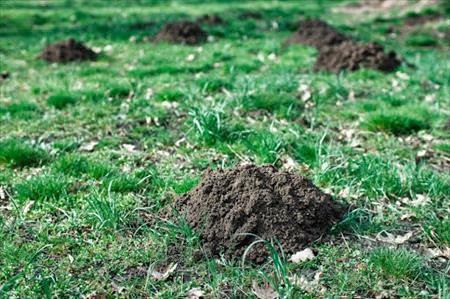
The adult mole is a small, burrowing mammal, commonly found in lawns and gardens. It has dark gray or brown velvety fur and a cylindrical body that is 5 to 8 inches long. It has small eyes and broad f...

