Written By
Allison Russell
Published On
January 5, 2023
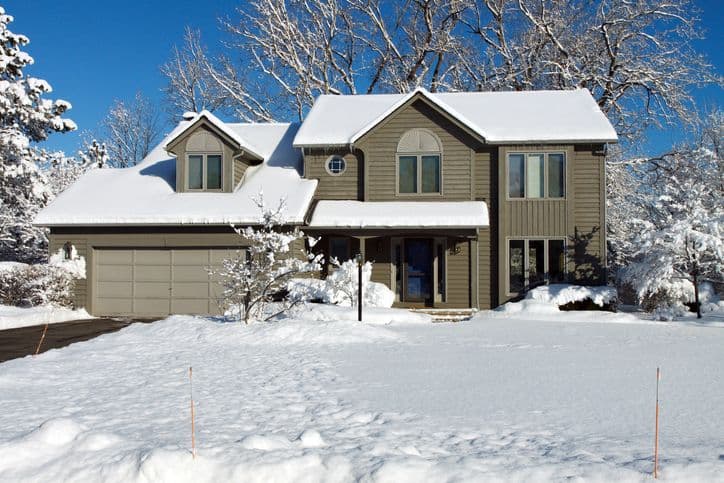
I’m sure most people would agree that the snowy months of the year can be a pain! However, did you know that snow coverage can actually be a good thing when it comes to your lawn? It’s true! Consistent snow coverage acts as a protective blanket for your lawn, which, in turn, helps insulate the grass plants and the roots. But what happens underneath that snow and what can cause damage? Keep reading to find out!
Exposing your lawn to extreme temperatures, combined with wind and ice, can be damaging to your lawn if there is no snow coverage to protect it. If your area is not experiencing snow but still has cold winds, your lawn may start to dry out. If temperatures are cold enough, turfgrass can also freeze. Just another benefit to snow coverage: while the snow is blanketing your grass, it not only protects the turf, but also provides much-needed moisture.
Many homeowners don’t know that these substances are harmful to their lawns. Although road salt and sand are commonly used to de-ice driveways, roads, and porch steps, they can have negative impacts on your turf. Salt can dry out your soil and inhibit grass growth. If too much salt gets into your soil, it can clog the grassroots and block them from accessing the nutrients needed to continue their growth.
Building an ice rink in your yard is a very popular winter project. However, it is not the best thing for your lawn. Having too much moisture will soak the turf and with the extreme temperatures, will freeze the plant itself. The ice build-up on your turf can tear the plant tissue apart. Ensure that you are properly draining your lawn to prevent that build-up of ice.
Once the snow starts to melt, you may notice that your lawn is no longer green, but brown. This is called dormancy. Dormancy is a natural part of your turfgrass lifecycle. Lawns will go dormant when they do not receive enough valuable resources, such as sunlight or water. Dormancy conserves moisture, which protects the grass from seasonal damage and allows it to cope with extreme temperatures and conditions. If the grass remains healthy, your turf will return to its lush, green state when resources become more abundant. So don’t fret, your lawn isn’t dead, it’s just dormant!
Written By
Allison Russell
Published On
January 5, 2023

You don’t need to buy an expensive plane ticket, deal with a packed beach, or sit through a long drive to enjoy a summer getaway. Sometimes, the best place is right outside your back door.

People love to throw a lot of numbers at you when you’re selling a home. They will tell you a finished basement will add X, or a new kitchen can add Y. But are any of these numbers real?
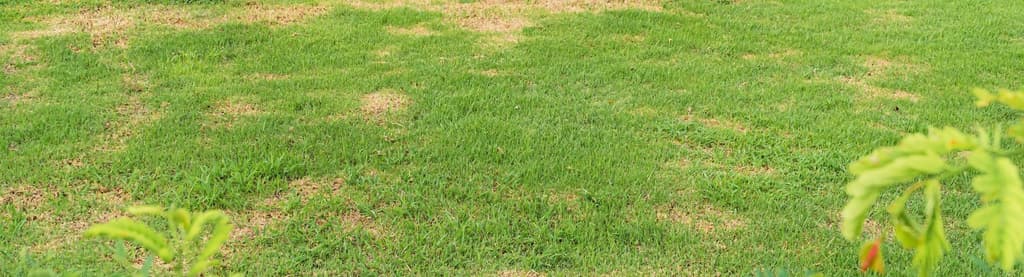
If you live in the South, summer heat can be tough on your lawn. Even though Bermuda grass is one of the most heat-tolerant turf types available, extended periods of high temperatures and limited ra...

